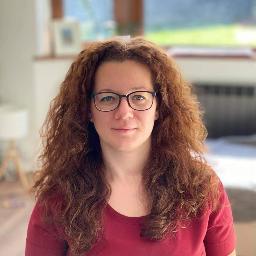
Madalina Trusca
BACP· Accepting clientsUnited Kingdom · 11 yrs exp
LGBT · Relationship · Trauma and abuse · Grief · +10 more
Read profileThe therapy listings are provided by BetterHelp and we will earn a commission if you use our link - at no cost to you.
Therapy in your native language can help you express feelings and experiences more fully and connect with a counsellor who understands cultural context. Browse Romanian-speaking therapists below to find qualified professionals and book appointments that suit your needs.
United Kingdom · 11 yrs exp
LGBT · Relationship · Trauma and abuse · Grief · +10 more
Read profile
United Kingdom · 7 yrs exp
Stress, Anxiety · Self esteem · Depression · Coping with life changes · +8 more
Read profile
United Kingdom · 6 yrs exp
Stress, Anxiety · Relationship · Family · Trauma and abuse · +12 more
Read profile
United Kingdom · 4 yrs exp
Relationship · Family · Depression · Coping with life changes · +11 more
Read profile
United Kingdom · 3 yrs exp
Stress, Anxiety · Relationship · Grief · Self esteem · +1 more
Read profile
United Kingdom · 6 yrs exp
Stress, Anxiety · Grief · Parenting · Depression · +11 more
Read profile
United Kingdom · 8 yrs exp
Stress, Anxiety · Relationship · Grief · Self esteem · +1 more
Read profile
United Kingdom · 7 yrs exp
Stress, Anxiety · Addictions · Trauma and abuse · Eating · +16 more
Read profile
United Kingdom · 15 yrs exp
Stress, Anxiety · Relationship · Family · Self esteem · +16 more
Read profile
United Kingdom · 8 yrs exp
Stress, Anxiety · Relationship · Parenting · Career · +16 more
Read profile
United Kingdom · 4 yrs exp
Stress, Anxiety · Family · Grief · Self esteem · +12 more
Read profile
United Kingdom · 5 yrs exp
Stress, Anxiety · Trauma and abuse · Career · Coping with life changes · +14 more
Read profile
United Kingdom · 14 yrs exp
Stress, Anxiety · Trauma and abuse · Grief · Eating · +14 more
Read profile
United Kingdom · 6 yrs exp
Stress, Anxiety · Trauma and abuse · Grief · Self esteem · +13 more
Read profile
United Kingdom · 13 yrs exp
Stress, Anxiety · Relationship · Trauma and abuse · Self esteem · +8 more
Read profile
United Kingdom · 10 yrs exp
Stress, Anxiety · Relationship · Family · Grief · +4 more
Read profile
United Kingdom · 8 yrs exp
Stress, Anxiety · Addictions · Trauma and abuse · Self esteem · +16 more
Read profile
United Kingdom · 6 yrs exp
Stress, Anxiety · Relationship · Family · Intimacy-related issues · +11 more
Read profile
United Kingdom · 22 yrs exp
Stress, Anxiety · Addictions · Eating · Parenting · +13 more
Read profile
United Kingdom · 10 yrs exp
Stress, Anxiety · Relationship · Trauma and abuse · Compassion fatigue · +15 more
Read profile
United Kingdom · 3 yrs exp
Relationship · Family · Trauma and abuse · Grief · +15 more
Read profile
United Kingdom · 12 yrs exp
Stress, Anxiety · Relationship · Grief · Depression · +6 more
Read profile
United Kingdom · 3 yrs exp
Addictions · Relationship · Family · Trauma and abuse · +13 more
Read profile
United Kingdom · 10 yrs exp
Relationship · Family · Grief · Intimacy-related issues · +11 more
Read profileWhen you meet a therapist who speaks Romanian, the conversation can flow with a natural rhythm that is sometimes lost in translation. Language carries more than words - it carries memories, humour, family sayings and the tone of childhood conversations. Speaking in Romanian can make it easier for you to name complex emotions, recall specific moments from your past and describe the cultural nuances that shaped who you are. That often leads to clearer insight and a stronger therapeutic bond, because the therapist can pick up on idioms, metaphors and emotional subtleties that would otherwise be missed.
Beyond the practical advantages of understanding vocabulary and grammar, therapy in your native language can help you feel seen and understood on a cultural level. Therapists who share linguistic roots are more likely to be familiar with social norms, family dynamics and the expectations that influence how you relate to others. That cultural attunement can make it easier to explore difficult subjects such as family conflict, migration stress or identity without having to first explain basic context. For many people, simply being able to speak comfortably in Romanian reduces the cognitive load of the session and leaves more room for emotional work.
Language barriers are not just about vocabulary gaps - they shape how emotions are experienced and expressed. If you have to think through a second language while trying to describe grief, shame or anger, you may find it harder to reach the precise intensity or nuance you intend. That can lead to misunderstandings, slower progress and a sense that something important remains unsaid. A therapist working in a different language may also rely on clinical terms or cultural frameworks that do not resonate with your lived experience, which can leave you feeling disconnected.
Miscommunication can also affect how you feel about the therapeutic relationship itself. If the therapist misses a culturally loaded reference or misinterprets a colloquial phrase, you might feel judged or dismissed without meaning to be. For people from tight-knit Romanian communities, these misunderstandings can feel particularly acute when talking about family honour, intergenerational expectations or religious beliefs. Working in Romanian reduces the risk of such ruptures and gives you a more immediate pathway to emotional honesty. It also allows the therapist to reflect back what they hear in a way that feels authentic to your cultural vocabulary, which supports stronger therapeutic outcomes.
Online therapy in Romanian typically happens via video call, telephone or messaging, depending on the therapist's offered formats. You can expect to arrange an initial consultation where you discuss practicalities such as session length, fees and availability. Therapists who work with Romanian speakers often list their preferred communication methods and whether they are registered with UK professional bodies. If you are worried about technology, many therapists will provide guidance on how to use the chosen platform and what to do if a call drops or you need to change an appointment.
Sessions usually follow a confidential and collaborative model where you set the agenda and the therapist helps you explore thoughts and feelings with curiosity and warmth. Depending on your needs, a Romanian-speaking therapist may use talking therapies, psychodynamic approaches, cognitive methods or integrative techniques adapted to your cultural background. You can expect your therapist to check in about how the sessions are working for you, and to help you set goals that feel realistic and relevant. Because the work is in Romanian, metaphors, stories and cultural references will be easier to use during therapy, making each session feel more personally tailored.
Many people who grew up in Romanian-speaking households encounter stigma around mental health that makes it harder to reach out. There can be worries about being judged by family or community, or a belief that personal struggles must be handled within the family. You may also worry about finding someone who truly understands your background - for example, the experience of migration, adapting to life in the UK, or the pressure to succeed while maintaining family ties back home. These are valid concerns and they often shape how you search for support.
Practical obstacles come into play as well. You might find it difficult to track down counsellors who advertise in Romanian, or you may live in an area with few Romanian-speaking practitioners. Time constraints, childcare, and work patterns can add to the challenge of attending in-person therapy, which is why many people explore online options. Another frequent worry is whether the therapist will respect cultural and religious values that matter to you. A good therapist will ask about those values, listen without judgement and work with you to find approaches that fit your life and beliefs.
Online therapy opens up access to a wider pool of Romanian-speaking therapists across the UK and beyond. You are not limited to local practitioners, which increases the chance of finding someone whose experience and approach match your needs. The convenience of online sessions makes it easier to fit therapy into busy schedules and reduces travel time and costs. For people who feel uneasy about attending a clinic in person, being able to join from a familiar home environment can help you feel more comfortable and present. Online therapy also allows you to connect with therapists who have specific expertise - for instance, supporting migrants, couples therapy in a bilingual context, or trauma-informed care adapted to cultural experiences.
Start by checking whether the therapist is registered with a recognised UK professional body and whether they list experience working with Romanian speakers or relevant cultural issues. Read profile descriptions to get a sense of their therapeutic approach and specialisms. Consider practical factors such as fees, session length and cancellation policies, and whether they offer evening or weekend appointments if you need them. It can be helpful to book an initial meeting or short consultation to see how you feel talking with them in Romanian - rapport matters and it is fine to try a couple of therapists before making a longer commitment.
Think about the qualities you value most - whether you prefer a more directive style, a quieter reflective approach, or someone who integrates practical exercises into sessions. Ask questions about how they handle emergencies, how they work with family or cultural themes, and what languages they use when exploring complex emotions. Trust your instincts about the relationship; if you feel heard and understood in the first few meetings, that is a good sign the therapist can support your goals. Finally, remember that therapy is a step-by-step process - finding the right Romanian-speaking counsellor is an important first step towards clearer thinking, greater emotional relief and a stronger sense of wellbeing.