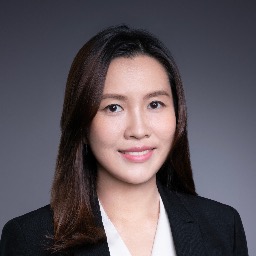
Mei Yan Jim
BACP· Accepting clientsUnited Kingdom · 3 yrs exp
Family · Parenting · Stress, Anxiety · Relationship · +2 more
Read profileThe therapy listings are provided by BetterHelp and we will earn a commission if you use our link - at no cost to you.
Having therapy in your native Mandarin can make it easier to share feelings, interpret nuance and build trust with a counsellor. Browse the Mandarin-speaking therapists below to view profiles, approaches and how to book a session.
United Kingdom · 3 yrs exp
Family · Parenting · Stress, Anxiety · Relationship · +2 more
Read profile
United Kingdom · 7 yrs exp
Stress, Anxiety · Trauma and abuse · Grief · Anger · +14 more
Read profile
United Kingdom · 4 yrs exp
Stress, Anxiety · Depression · Coping with life changes · Compassion fatigue · +5 more
Read profile
United Kingdom · 18 yrs exp
Stress, Anxiety · Relationship · Family · Intimacy-related issues · +13 more
Read profile
United Kingdom · 13 yrs exp
Relationship · Family · Grief · Intimacy-related issues · +5 more
Read profile
United Kingdom · 10 yrs exp
Stress, Anxiety · Relationship · Trauma and abuse · Anger · +9 more
Read profile
United Kingdom · 3 yrs exp
Relationship · Self esteem · Career · Depression · +7 more
Read profile
United Kingdom · 5 yrs exp
Stress, Anxiety · Relationship · Intimacy-related issues · Anger · +11 more
Read profile
United Kingdom · 6 yrs exp
Stress, Anxiety · Family · Grief · Self esteem · +11 more
Read profile
United Kingdom · 11 yrs exp
Stress, Anxiety · Relationship · Anger · Depression · +16 more
Read profile
United Kingdom · 3 yrs exp
Stress, Anxiety · Trauma and abuse · Sleeping · Anger · +15 more
Read profile
United Kingdom · 3 yrs exp
Stress, Anxiety · Addictions · Trauma and abuse · Grief · +9 more
Read profile
United Kingdom · 3 yrs exp
Stress, Anxiety · Relationship · Family · Trauma and abuse · +1 more
Read profile
United Kingdom · 6 yrs exp
Stress, Anxiety · Relationship · Grief · Self esteem · +9 more
Read profile
United Kingdom · 12 yrs exp
Stress, Anxiety · Relationship · Trauma and abuse · Career · +11 more
Read profile
United Kingdom · 12 yrs exp
Stress, Anxiety · Self esteem · Depression · Coping with life changes · +12 more
Read profile
United Kingdom · 6 yrs exp
Stress, Anxiety · Relationship · Family · Depression · +1 more
Read profile
United Kingdom · 21 yrs exp
Stress, Anxiety · Relationship · Grief · Self esteem · +1 more
Read profile
United Kingdom · 10 yrs exp
Stress, Anxiety · Addictions · Relationship · Trauma and abuse · +1 more
Read profile
United Kingdom · 5 yrs exp
Stress, Anxiety · Relationship · Family · Self esteem · +9 more
Read profile
United Kingdom · 10 yrs exp
Stress, Anxiety · Trauma and abuse · Grief · Depression · +7 more
Read profile
United Kingdom · 4 yrs exp
Stress, Anxiety · Relationship · Grief · Self esteem · +1 more
Read profile
United Kingdom · 3 yrs exp
Stress, Anxiety · Grief · Career · Depression · +1 more
Read profile
United Kingdom · 3 yrs exp
Relationship · Family · Trauma and abuse · Grief · +11 more
Read profileWhen you meet a counsellor who speaks Mandarin, the conversation can flow with fewer stops and explanations. You may find that words you grew up with carry emotional weight that is hard to translate into another language. In therapy, phrases, proverbs and cultural references often reveal important parts of your experience. Working in Mandarin allows you to use those expressions directly and for your therapist to hear the subtleties in tone and phrasing. That connection can deepen understanding and speed up the process of building trust. It also helps when discussing family dynamics, cultural expectations and relationships where context matters in a very particular way.
Language is not only a tool for exchanging information. It shapes how you think about your emotions and how you talk about events. For many Mandarin speakers, speaking in your first language can reduce the effort needed to explain complex feelings and can make it easier to reflect on painful memories. Whether you prefer to discuss practical problems or explore long-standing patterns, having a therapist who can understand idioms, implied meanings and the rhythm of your speech can change the quality of therapy and the sense that you are truly understood.
If you work with a therapist who does not speak Mandarin, you might find yourself simplifying or avoiding subjects because you lack precise words or worry about being misunderstood. That adjustment can limit the depth of sessions. Misunderstandings can occur not only from vocabulary but from cultural differences in how emotions are expressed. A literal translation might miss an implied meaning or the emotional undertone of a memory. You might also feel more self-conscious about making grammatical mistakes or searching for words, which can shut down emotional risk-taking in sessions.
These small shifts can add up. Therapy relies on a sense of safety and openness for you to explore difficult topics. If you are constantly translating internally or editing yourself, sessions may focus on problem solving at a surface level rather than deeper emotional processing. Using Mandarin reduces that cognitive load and frees you to attend to feelings and insights. It also helps the counsellor to pick up more accurate cues about tone, humour and cultural context, which improves assessment, formulation and the selection of helpful techniques.
Online therapy in Mandarin offers many of the same professional steps you would expect in person. Your first session is often an assessment where you and the counsellor discuss what brought you to therapy, your goals and any practicalities like session length and fees. The therapist will explain their qualifications - for example, whether they are registered or accredited with a recognised UK body - and their approach. You can ask how they adapt methods such as cognitive behavioural techniques, person-centred work or psychodynamic exploration to fit your cultural background and language.
Sessions typically take place by video call, phone or messaging, depending on what you and your counsellor prefer. Video calls allow you to maintain visual contact, which can be important for emotional connection and non-verbal cues. If you choose messaging or phone work, talk with the counsellor about expectations around response times and how the therapeutic relationship will be maintained. Many Mandarin-speaking counsellors who work online have experience supporting clients across different regions of the UK and internationally, which can broaden access to specialists in working with migration, bilingual identity or family conflict.
Cultural attitudes about mental health can make it harder to take the first step to seek help. In some Mandarin-speaking communities, there may be stigma attached to admitting emotional distress or seeing a counsellor, and families may prioritise practical solutions or privacy. You may worry about being judged, about the impact on family reputation, or about how to explain therapy to relatives. These are valid concerns and a Mandarin-speaking counsellor can help you navigate them from a culturally informed perspective.
Another common issue is finding a therapist who understands specific cultural experiences such as migration stress, intergenerational differences, family expectations, education pressure or the experience of living between two cultural worlds. You might also want a counsellor who understands culturally specific expressions of distress. When searching for a therapist, consider whether you prefer someone who shares a similar cultural background or someone who has explicit experience working with Mandarin speakers and relevant issues. Questions about approach, availability, fees and registration can help you feel more confident before you start.
Online therapy expands your options beyond your local area, so you can find a Mandarin-speaking counsellor who matches your needs in terms of experience, approach and personality. It offers flexibility around timing, which is useful if you balance work, study or caregiving responsibilities. Online sessions remove commute time, help maintain continuity if you relocate, and let you access a therapist who specialises in issues common to Mandarin speakers, even if there are few such specialists nearby. For many people, the combination of language match and accessibility makes therapy feel more achievable.
Start by thinking about what matters most to you - language alone is important, but consider also whether you want someone with clinical experience of anxiety, depression, family therapy, trauma or cultural transition. Check that the counsellor is registered or accredited with a recognised UK body and read their profile to understand their approach. You can contact potential therapists to ask about dialect familiarity, their work with Mandarin-speaking clients, session format and fees. It is reasonable to ask about appointment availability and how they handle emergencies or referrals.
Trust your instincts during an initial session. It is common to try a couple of sessions to see if the therapist’s style fits with your way of speaking and processing thoughts. If you do not feel understood, it is okay to look for someone else who better matches your needs. Choosing a therapist is a personal decision and finding the right Mandarin-speaking counsellor can make your therapy more meaningful and effective. Taking that step is an investment in your wellbeing and in the ability to speak openly in the language that feels most like home.