
Mei Yan Jim
BACP· Accepting clientsUnited Kingdom · 3 yrs exp
Family · Parenting · Stress, Anxiety · Relationship · +2 more
Read profileThe therapy listings are provided by BetterHelp and we will earn a commission if you use our link - at no cost to you.
Receiving therapy in Cantonese helps you express subtle emotions and cultural experiences more naturally. Browse Cantonese-speaking therapists below to view profiles, qualifications and availability and book an appointment that suits your needs.
United Kingdom · 3 yrs exp
Family · Parenting · Stress, Anxiety · Relationship · +2 more
Read profile
United Kingdom · 7 yrs exp
Stress, Anxiety · Trauma and abuse · Grief · Anger · +14 more
Read profile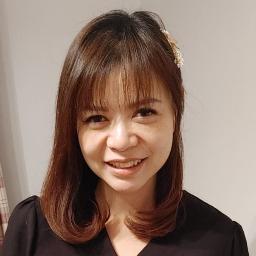
United Kingdom · 18 yrs exp
Stress, Anxiety · Relationship · Family · Intimacy-related issues · +13 more
Read profile
United Kingdom · 13 yrs exp
Relationship · Family · Grief · Intimacy-related issues · +5 more
Read profile
United Kingdom · 3 yrs exp
Relationship · Self esteem · Career · Depression · +7 more
Read profile
United Kingdom · 8 yrs exp
Stress, Anxiety · LGBT · Self esteem · Career · +9 more
Read profile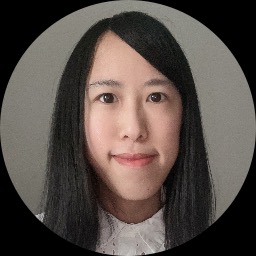
United Kingdom · 6 yrs exp
Stress, Anxiety · Family · Grief · Self esteem · +11 more
Read profile
United Kingdom · 11 yrs exp
Trauma and abuse · Career · Depression · Coping with life changes · +8 more
Read profile
United Kingdom · 11 yrs exp
Stress, Anxiety · Relationship · Anger · Depression · +16 more
Read profile
United Kingdom · 3 yrs exp
Stress, Anxiety · Trauma and abuse · Sleeping · Anger · +15 more
Read profile
United Kingdom · 3 yrs exp
Stress, Anxiety · Addictions · Trauma and abuse · Grief · +9 more
Read profile
United Kingdom · 3 yrs exp
Stress, Anxiety · Relationship · Family · Trauma and abuse · +1 more
Read profile
United Kingdom · 5 yrs exp
Stress, Anxiety · Addictions · Relationship · Grief · +7 more
Read profile
United Kingdom · 12 yrs exp
Stress, Anxiety · Relationship · Trauma and abuse · Career · +11 more
Read profile
United Kingdom · 12 yrs exp
Stress, Anxiety · Self esteem · Depression · Coping with life changes · +12 more
Read profile
United Kingdom · 21 yrs exp
Stress, Anxiety · Relationship · Grief · Self esteem · +1 more
Read profile
United Kingdom · 15 yrs exp
Stress, Anxiety · Relationship · Family · Self esteem · +11 more
Read profile
United Kingdom · 4 yrs exp
Stress, Anxiety · Relationship · Self esteem · Depression · +4 more
Read profile
United Kingdom · 10 yrs exp
Stress, Anxiety · Addictions · Relationship · Trauma and abuse · +1 more
Read profile
United Kingdom · 5 yrs exp
Stress, Anxiety · Relationship · Family · Self esteem · +9 more
Read profile
United Kingdom · 10 yrs exp
Stress, Anxiety · Trauma and abuse · Grief · Depression · +7 more
Read profile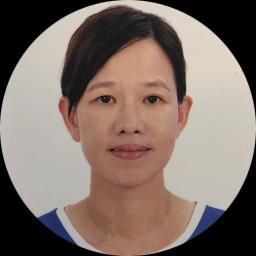
United Kingdom · 25 yrs exp
Stress, Anxiety · Grief · Parenting · Anger · +1 more
Read profile
United Kingdom · 4 yrs exp
Stress, Anxiety · Relationship · Grief · Self esteem · +1 more
Read profile
United Kingdom · 8 yrs exp
Self esteem · LGBT · Trauma and abuse · Career · +1 more
Read profileWhen you speak to a counsellor in Cantonese you gain more than just a shared vocabulary. Language carries cultural meanings, idioms and emotional nuance that do not always translate directly into English. Being able to describe feelings, family dynamics and culturally specific experiences in your first language can make it easier to be understood and to explore sensitive topics. For many people, a phrase or proverb in Cantonese captures a mood or memory in a way English cannot, and that difference can shift the pace and depth of therapy. You may find it less tiring to explain complex experiences and more likely to notice subtle emotional shifts when you are not translating in your head. In practical terms, speaking Cantonese with your therapist can reduce misunderstandings, help build trust and allow you to explore identity, migration or intergenerational issues with greater clarity.
Choosing a therapist who is fluent in Cantonese also helps when matters involve family expectations, traditional practices or linguistic humour that is culturally embedded. A practitioner who understands both the language and the cultural context can reflect back meanings and alternatives that make sense in your life. That matters whether your concerns relate to anxiety, depression, relationship stress or the long-term effects of migration and cultural adjustment.
Language barriers influence how comfortable you feel sharing personal material and how accurately your experiences are received. If you rely on an interpreter or use a language that is not your strongest, conversations can become stilted and important emotional details may be lost. This can lead to partial or superficial work where only the most obvious issues are explored. When you are not fully confident in the language used, you may avoid topics that feel embarrassing or hard to name, or you may simplify complex feelings into catch-all terms like stress or sadness. Over time this limits the progress you can make.
Beyond vocabulary, the rhythm and tone of speech matter. Cantonese uses tonal variation and idiomatic expressions that can convey irony, affection or shame in a single sentence. A therapist who does not recognise those cues might miss important contextual signals. That does not mean a non-Cantonese practitioner cannot help, but if you sense something is being lost in translation, it is reasonable to consider a Cantonese-speaking option. You should expect therapy to be a collaborative space where you can point out misinterpretations, ask for clarification and co-create meaning with your therapist.
Online therapy in Cantonese offers a practical and flexible way to access culturally aligned counselling from across the UK. Sessions generally follow the same principles as in-person work - you and the therapist agree goals, explore your concerns and develop strategies - but the medium changes some of the logistics. You can expect to arrange appointments to suit your schedule, join a session from home or another suitable setting and use video or phone communication depending on your preference. Many therapists will offer an initial consultation so you can check whether their approach and manner feel right for you.
When starting online therapy, discuss practicalities up front. Agree how long sessions last, how you will contact the therapist between sessions if needed and what happens if technical issues arise. It is also helpful to talk about language preferences - whether you want to use Cantonese exclusively or mix Cantonese with English. Some clients find that switching languages within a session can be useful for certain topics. A good therapist will be flexible and work with your communication style while explaining their therapeutic approach and any registration or accreditation they hold.
Cantonese-speaking clients often face a range of concerns that go beyond the practicalities of finding a therapist. Cultural stigma around mental health remains a significant barrier in many Cantonese-speaking communities. You or your family may worry about social judgement, misunderstandings about what therapy involves or fears that seeking help implies personal weakness. These concerns can make the first step particularly hard. Another common worry is finding a therapist who both speaks Cantonese and understands culturally specific issues, such as filial duty, expectations around academic or career success and the pressures of intergenerational caregiving.
There are also practical challenges. You might be unsure how to check a therapist's qualifications or how to assess their therapeutic approach. For parents, finding support that can work with family or relationship dynamics in a culturally respectful way can be especially tricky. If you have been through migration, you may be navigating legal, housing or employment stress alongside mental health concerns, and you will want a therapist who can appreciate the broader context rather than treating symptoms in isolation. It is normal to feel cautious when starting therapy, and you are entitled to ask questions about a therapist's experience with Cantonese-speaking clients and with issues that matter to you.
Online therapy widens your choice of therapists beyond your local area, which is particularly helpful if there are few Cantonese-speaking practitioners nearby. This greater access increases the likelihood of finding a therapist whose style and background match your needs. Online sessions reduce travel time and can be scheduled around work, family and other commitments. For some people, being in a familiar environment during a session makes it easier to open up. The flexibility of online work also allows you to access specialised practitioners who understand particular cultural or clinical issues without relocating.
Start by clarifying what you want from therapy - short-term support for a specific issue, longer-term exploration of life patterns, or family work. When you view therapist profiles, look for information about their registration, training and therapeutic approach. Registered or accredited professionals will usually state their membership with a recognised UK body and describe whether they use approaches such as cognitive-behavioural therapy, psychodynamic work, systemic family therapy or integrative methods. Consider whether you prefer a therapist who shares your regional Cantonese background or someone from a different Cantonese-speaking culture - both can be helpful, but the fit depends on your personal comfort.
Arrange an initial conversation to judge rapport. You can use that time to discuss language preferences, cultural questions and practical arrangements. Notice how the therapist listens and whether they invite your input about what matters most in therapy. It is reasonable to ask how they handle cultural issues and whether they have experience supporting clients with similar backgrounds. If something does not feel right after a few sessions, you can discuss adjustments or seek another therapist. Finding the right match can take time, but a good fit greatly increases the chances that therapy will feel useful and meaningful.
Whether you are seeking short-term coping strategies or deeper exploration of identity and relationships, therapy in Cantonese can make a significant difference. By knowing what to expect, recognising common barriers and using online options to widen your choices, you can find a counsellor who helps you communicate, process and grow in a way that honours your language and cultural experience.