NCPS
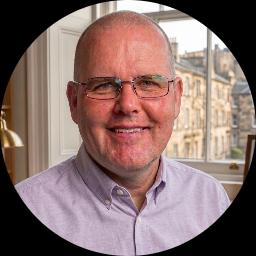
Craig Still, NCPS
Therapist in the UK
Craig is a NCPS therapist in the UK.
- 4+ years of experience
- Focus areas include Stress, Anxiety, Trauma and abuse
- Approaches include Acceptance and Commitment Therapy (ACT), Attachment-Based Therapy
See availability and next steps on BetterHelp.
About Craig
He recognises that life rarely follows a neat timeline and that challenges such as career transitions, relationship breakdowns, daily overwhelm, or deep grief can be difficult to navigate alone. His practice is grounded in the belief that individuals carry inner resources for healing, and he offers warm, flexible support that honours each person’s unique story and values.
Craig places the therapeutic relationship at the centre of his work, approaching therapy as a partnership that respects the client’s expertise in their own life. He aims to provide a non-judgmental, gently challenging space where clients can bring their whole selves and explore change at a pace that feels right.
He has supported people through low self-esteem, identity challenges, burnout, relationship difficulties, grief, and complex trauma, offering both short-term and longer-term therapy depending on individual needs. Seeking support is a brave step, and Craig is available to walk alongside clients as they begin that journey.
Areas of expertise
Experience
4+ years
Credentials
NCPS
Languages
English
Focus areas
See all focus areas
Approaches
Also listed for
See all related areas
Therapeutic approaches and online support
Craig integrates approaches that focus on values, relationships, and the client’s own experience. Acceptance and Commitment Therapy (ACT) helps people clarify what matters to them and develop practical ways to act in line with those values while learning to live alongside difficult thoughts and feelings; it can be useful for stress, anxiety, and navigating life changes. Attachment-Based Therapy explores patterns in close relationships and how early emotional bonds shape current connections - this approach supports work on intimacy, relationship difficulties, and attachment-related distress. Client-Centered Therapy places the client’s perspective at the heart of sessions, offering empathic, non-directive support that helps people feel heard and to discover their own solutions.Finding the right therapeutic approach is part of the process, and Craig works collaboratively with clients to identify which methods best match their needs, goals, and preferences. He adapts techniques as the therapeutic relationship develops so that the plan reflects the client’s evolving priorities.
Online therapy with Craig is offered via video calls, phone sessions, live chat, or text-based messaging, providing flexibility for different lifestyles and needs. These options make it easier to fit therapy around work, family, or other commitments and allow continuity of care for clients who live outside the therapist’s immediate area or who prefer remote sessions.
Frequently asked questions
How much experience does Craig Still have?
Craig Still has 4 years of post-qualification experience working with adults from a range of backgrounds.
Is Craig Still a registered therapist?
Yes. He holds the credential NCPS.
In which languages does Craig Still provide therapy?
Craig provides therapy in English.
Where is Craig Still located?
He is located in the United Kingdom.
How can I work with Craig Still as my therapist?
You can work with Craig through video calls, phone sessions, live chat, or text-based messaging.
Does Craig Still work with international clients?
Yes, Craig works with international clients.
How much does therapy with Craig Still cost?
Session costs can vary depending on factors such as your location and the therapist’s availability. Sessions are billed through a subscription that can be cancelled at any time, for any reason. For current pricing and details, click the "Start Therapy" button on this page.
How can I get started with therapy?
Getting started is straightforward. Click the "Start Therapy" button and complete a short questionnaire to help match you with your therapist. Depending on availability, you can then schedule your first session by phone, video call, live chat, or in-app messaging.