
Amanda Bouvier
BACP· Accepting clientsUnited Kingdom · 15 yrs exp
Stress, Anxiety · Family · Grief · Depression · +12 more
Read profileThe therapy listings are provided by BetterHelp and we will earn a commission if you use our link - at no cost to you.
This page lists UK counsellors and therapists who identify as queer friendly and LGBTQ+ affirming. Browse the profiles below to compare training, specialisms and availability, and contact a counsellor to arrange an initial appointment.
United Kingdom · 15 yrs exp
Stress, Anxiety · Family · Grief · Depression · +12 more
Read profile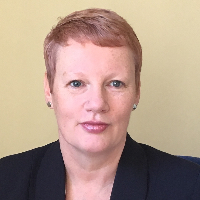
United Kingdom · 20 yrs exp
Relationship · Family · Trauma and abuse · Grief · +10 more
Read profile
United Kingdom · 5 yrs exp
Stress, Anxiety · Addictions · Trauma and abuse · Eating · +10 more
Read profile
United Kingdom · 5 yrs exp
Stress, Anxiety · Relationship · Family · Trauma and abuse · +14 more
Read profile
United Kingdom · 10 yrs exp
Stress, Anxiety · Relationship · Family · Trauma and abuse · +16 more
Read profile
United Kingdom · 13 yrs exp
Stress, Anxiety · LGBT · Trauma and abuse · Grief · +1 more
Read profile
United Kingdom · 6 yrs exp
Stress, Anxiety · Trauma and abuse · Grief · Depression · +14 more
Read profile
United Kingdom · 9 yrs exp
Stress, Anxiety · Relationship · Family · Trauma and abuse · +12 more
Read profile
United Kingdom · 3 yrs exp
Stress, Anxiety · Addictions · Family · Trauma and abuse · +9 more
Read profile
United Kingdom · 6 yrs exp
Relationship · Trauma and abuse · Grief · Self esteem · +15 more
Read profile
United Kingdom · 4 yrs exp
Stress, Anxiety · Relationship · Trauma and abuse · Self esteem · +16 more
Read profile
United Kingdom · 10 yrs exp
Stress, Anxiety · Relationship · Intimacy-related issues · Eating · +13 more
Read profile
United Kingdom · 15 yrs exp
Stress, Anxiety · Relationship · Grief · Self esteem · +13 more
Read profile
United Kingdom · 27 yrs exp
Stress, Anxiety · Relationship · Grief · Intimacy-related issues · +13 more
Read profile
United Kingdom · 12 yrs exp
Stress, Anxiety · Relationship · Grief · Self esteem · +12 more
Read profile
United Kingdom · 4 yrs exp
Stress, Anxiety · Relationship · Trauma and abuse · Grief · +12 more
Read profile
United Kingdom · 20 yrs exp
Stress, Anxiety · Relationship · Family · Trauma and abuse · +13 more
Read profile
United Kingdom · 18 yrs exp
Stress, Anxiety · Relationship · Trauma and abuse · Depression · +12 more
Read profile
United Kingdom · 3 yrs exp
Stress, Anxiety · Relationship · Family · Trauma and abuse · +12 more
Read profile
United Kingdom · 11 yrs exp
Relationship · Trauma and abuse · Anger · Self esteem · +11 more
Read profile
United Kingdom · 4 yrs exp
Stress, Anxiety · Sleeping · Self esteem · Career · +14 more
Read profile
United Kingdom · 20 yrs exp
Relationship · Family · Grief · Depression · +14 more
Read profile
United Kingdom · 8 yrs exp
Stress, Anxiety · Parenting · Anger · Self esteem · +9 more
Read profile
United Kingdom · 4 yrs exp
Stress, Anxiety · Trauma and abuse · Grief · Parenting · +13 more
Read profileThe phrase queer friendly is used by many practitioners to signal an affirming approach to working with people who are lesbian, gay, bisexual, transgender, non-binary, queer and other marginalised sexual and gender identities. That label can cover a broad range of practice - from practitioners who have undertaken focused training in gender diversity to those who consciously prioritise inclusive language, respect for pronouns and an awareness of the social pressures that shape queer lives. Being queer friendly usually means the counsellor will aim to validate your identity, understand the impact of stigma and minority stress, and offer a non-judgemental space to explore questions about relationships, transition, coming out, parenting, work and mental wellbeing.
For many people, queer identity intersects with other aspects of life such as race, disability, faith, class and immigration status. A queer friendly counsellor will often adopt an intersectional lens - acknowledging that experiences of exclusion or resilience are shaped by multiple, overlapping identities. This approach matters because the barriers you face and the supports you need may be unique to your circumstances. Counselling that is queer friendly therefore seeks to respond to both the personal and the social dimensions of your experience.
You might be considering a queer friendly counsellor because you are questioning your sexual orientation or gender identity and would value a reflective space to explore that without pressure. Many people also come to therapy when coming out to friends or family has been difficult, or when fear of rejection is affecting relationships and day-to-day life. Others seek support after experiences of discrimination, harassment or workplace microaggressions that have left them feeling anxious, low in mood or less confident at work and socially.
It is also common to look for queer friendly support when navigating gender transition - whether you are at the beginning of that process, seeking support during medical pathways, or adjusting after social change. Relationship challenges are another frequent reason for seeking therapy; you may be negotiating open relationships, monogamy, polyamory or blended family dynamics in ways that bring up complex emotions. If past trauma, sexual assault or family rejection is present, you may want a counsellor who understands how those experiences interact with queer identity and can work with you sensitively to build coping strategies and recovery pathways.
In an initial consultation you can expect a queer friendly counsellor to ask about your reasons for coming, your current supports and any risks to your wellbeing. This early conversation is an opportunity for you to describe what matters most and to get a sense of how the practitioner works. Counsellors often discuss confidentiality, record keeping and emergency plans during the first sessions so that you know how information is managed and what would happen if a crisis arose. You should be able to clarify practical matters such as session length, fees and cancellation policies.
Therapy itself usually unfolds as a collaborative process. Some people want direct coping strategies for anxiety or panic when disclosing their identity, while others seek more exploratory work on identity, values and life choices. A queer friendly counsellor will typically invite you to set goals together and will adapt pace and focus to your needs. Sessions can include exploration of family dynamics, support with decision-making about transition-related steps, work on self-esteem and relationship patterns, or trauma-focused interventions if needed. You may be offered opportunities to involve partners or family members when appropriate, but only if that is aligned with your goals.
A range of evidence-informed methods are used in queer friendly therapy, and different counsellors will combine approaches depending on your needs. Cognitive behavioural therapy is often used to address symptoms such as anxiety and low mood by working on thought patterns and practical coping strategies. Narrative therapy emphasises the stories you tell about yourself and can be especially helpful for re-authoring identity narratives that have been shaped by stigma. Psychodynamic work offers space to explore deeper patterns that may have developed through relationships and early experiences, which can be useful if you want to understand long-standing relational behaviour.
For people dealing with trauma, therapies such as trauma-focused cognitive approaches or EMDR can be used by appropriately trained practitioners. Systemic and relational approaches are commonly used when relationship issues or family dynamics are a central concern, and these can include couple or family sessions if all parties agree. Many queer friendly counsellors also draw on minority stress-informed frameworks that pay explicit attention to how social exclusion and discrimination influence mental health. Whatever the approach, a skilled counsellor will explain why they are suggesting a particular method and how it connects to your goals.
Online therapy has become a mainstream option across the UK and can be particularly useful if you live in an area with limited in-person queer-affirming services or if flexibility is needed around work and family commitments. Sessions commonly take place by video call or telephone, and some counsellors offer encrypted messaging for short check-ins between appointments. You should check that the platform your counsellor uses is accessible and that the practitioner explains how they manage records and boundaries for remote work. It is also sensible to agree a plan for what to do if either of you needs immediate support during or between sessions.
When selecting a queer friendly practitioner, look beyond labels and read profiles to understand their training, experience and the populations they commonly work with. Many UK practitioners list professional registration with bodies such as BACP, HCPC or NCPS; checking these registrations can give you confidence that the counsellor meets recognised standards of practice and ongoing professional development. You may also want to ask about specific training in gender diversity, trans-competence or anti-oppressive practice if those areas are important to you.
Consider practical factors such as fees, session length, availability and whether the counsellor offers evening or weekend appointments if you need them. Think about how you prefer to connect - some people find video sessions work well, while others prefer telephone or in-person contact where available. It is appropriate to ask potential counsellors about their approach to pronouns, how they support clients facing discrimination, and whether they have experience working with particular issues such as relationship diversity, parenting or immigration-related stress. A short introductory call can be a useful way to assess whether you feel comfortable and respected.
Finally, trust your instincts. The relationship between you and your counsellor matters more than any single qualification. If a first counsellor does not feel like the right fit, it is reasonable to try another practitioner. Your wellbeing and sense of being heard are central to effective therapy, and finding a queer friendly counsellor who understands both identity and the broader context of your life can make a meaningful difference to your progress.
When you are ready, use the listings above to compare profiles, read about approaches and contact a counsellor to discuss next steps. Many practitioners offer a short initial conversation to help you decide if they are the right fit for your needs.