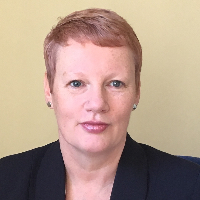
Jessica Sullivan
BACP· Accepting clientsUnited Kingdom · 20 yrs exp
Relationship · Family · Trauma and abuse · Grief · +10 more
Read profileThe therapy listings are provided by BetterHelp and we will earn a commission if you use our link - at no cost to you.
Explore counsellors who specialise in money and financial issues and how those concerns affect your wellbeing. Use the listings below to compare approaches, availability and profiles. When you find someone who feels right, reach out to arrange an initial session.
United Kingdom · 20 yrs exp
Relationship · Family · Trauma and abuse · Grief · +10 more
Read profile
United Kingdom · 5 yrs exp
Stress, Anxiety · Relationship · Family · Trauma and abuse · +14 more
Read profile
United Kingdom · 8 yrs exp
Stress, Anxiety · Relationship · Grief · Self esteem · +15 more
Read profile
United Kingdom · 5 yrs exp
Stress, Anxiety · Addictions · Relationship · Grief · +1 more
Read profile
United Kingdom · 5 yrs exp
Stress, Anxiety · Relationship · Grief · Depression · +9 more
Read profile
United Kingdom · 13 yrs exp
Stress, Anxiety · LGBT · Trauma and abuse · Grief · +1 more
Read profile
United Kingdom · 8 yrs exp
Stress, Anxiety · Relationship · Anger · Self esteem · +4 more
Read profile
United Kingdom · 9 yrs exp
Stress, Anxiety · Relationship · Family · Trauma and abuse · +12 more
Read profile
United Kingdom · 6 yrs exp
Relationship · Trauma and abuse · Grief · Self esteem · +15 more
Read profile
United Kingdom · 4 yrs exp
Stress, Anxiety · Relationship · Trauma and abuse · Self esteem · +16 more
Read profile
United Kingdom · 18 yrs exp
Stress, Anxiety · Relationship · Trauma and abuse · Depression · +12 more
Read profile
United Kingdom · 3 yrs exp
Stress, Anxiety · Relationship · Family · Trauma and abuse · +12 more
Read profile
United Kingdom · 11 yrs exp
Relationship · Trauma and abuse · Anger · Self esteem · +11 more
Read profile
United Kingdom · 4 yrs exp
Stress, Anxiety · Sleeping · Self esteem · Career · +14 more
Read profile
United Kingdom · 5 yrs exp
Parenting · Anger · Self esteem · Coping with life changes · +15 more
Read profile
United Kingdom · 9 yrs exp
Stress, Anxiety · Relationship · Family · Trauma and abuse · +7 more
Read profile
United Kingdom · 4 yrs exp
Stress, Anxiety · Trauma and abuse · Grief · Parenting · +13 more
Read profile
United Kingdom · 5 yrs exp
Stress, Anxiety · Self esteem · Career · Depression · +10 more
Read profile
United Kingdom · 5 yrs exp
Stress, Anxiety · Relationship · Family · Trauma and abuse · +15 more
Read profile
United Kingdom · 7 yrs exp
Stress, Anxiety · LGBT · Family · Intimacy-related issues · +15 more
Read profile
United Kingdom · 9 yrs exp
Stress, Anxiety · Relationship · Trauma and abuse · Grief · +10 more
Read profile
United Kingdom · 10 yrs exp
Trauma and abuse · Grief · Eating · Bipolar · +11 more
Read profile
United Kingdom · 20 yrs exp
Addictions · Relationship · Trauma and abuse · Self esteem · +12 more
Read profile
United Kingdom · 5 yrs exp
Stress, Anxiety · Addictions · Grief · Self esteem · +16 more
Read profileMoney and financial issues cover a wide range of experiences, from budgeting worries and debt pressure to avoidance of financial decisions and complex family-related money dynamics. You may recognise these concerns as practical problems such as missed payments, mounting credit balances or difficulty saving, but they often come with emotional effects that affect sleep, relationships and work. Financial fear can be shaped by early life experiences, cultural expectations and sudden changes such as redundancy or bereavement, so it rarely exists in isolation.
When money-related stress becomes persistent it can shape how you think and behave. You might find yourself avoiding letters and phone calls, feeling ashamed about spending, or arguing with partners about priorities. For some, money is tied to self-worth or identity, and decisions about spending or saving can trigger intense feelings. Counselling for money and financial issues is about exploring these patterns so you can make practical choices that align with your values, and reduce the emotional burden that financial concerns often bring.
You may be considering specialist counselling if money worries start to affect your daily functioning. Common signs include chronic anxiety about finances, persistent sleep disruption tied to financial thoughts, or avoidance behaviours such as ignoring bills and statements. You might also notice strained relationships because of differing attitudes to money, recurring arguments about spending or perceived secrecy around finances. If you find that financial worries are dominating decisions at home or at work, or that they trigger feelings of shame and helplessness, talking to a counsellor can help you untangle the emotional side of these problems.
Therapy can also be helpful if your financial pattern is cyclical - for example, periods of impulsive spending followed by regret - or if you are coping with a life change that has financial consequences, such as divorce, redundancy, or becoming a carer. You do not need to be in crisis to benefit. Many people use counselling proactively to build resilience, improve decision-making and change long-standing behaviour patterns so that financial wellbeing becomes part of a healthier life routine.
In initial sessions you and your counsellor will usually explore the practical and emotional context of your finances. Expect questions about your current financial situation, history with money, family messages about money, and how financial stress affects your mood and relationships. Your counsellor will listen without judgement and help you clarify the concerns you want to work on, whether that is reducing anxiety around bills, addressing spending impulses, or improving communication with a partner about money.
Therapy is often collaborative. You and your counsellor will set goals together and create a plan that blends emotional work with practical tasks. Sessions may include reflecting on the beliefs that drive your financial choices, practising new ways of talking about money, and experimenting with small behavioural changes between appointments. Over time you should expect to develop clearer thinking around money decisions and tools to manage triggers so that financial issues feel more manageable and less overwhelming.
Counsellors often draw on a mix of psychological approaches tailored to your needs. Cognitive behavioural techniques are commonly used to help you identify and challenge unhelpful thoughts about money, and to replace avoidance or impulsive behaviours with practical strategies. If your money patterns are rooted in early experiences or family dynamics, psychodynamic or relational approaches can help uncover how past relationships influence current financial behaviour. These therapies look at recurring patterns and the emotions that underlie them.
Other approaches include acceptance and commitment therapy which supports you to live according to your values despite financial discomfort, and solution-focused work which emphasises small, achievable steps to create change quickly. Where anxiety, trauma or compulsive behaviours are significant, an integrative counsellor may combine methods to address both symptoms and root causes. You should also expect practical signposting; some counsellors work alongside debt advice or financial coaches and can help you access specialist financial support when needed.
Online counselling has become a mainstream option and can be especially convenient for money and financial concerns. You can arrange sessions from home or from a workplace break, which can remove barriers like travel time and scheduling conflicts. Online therapy often uses video calls, telephone or messaging, and many counsellors offer a choice so you can pick the format that feels most comfortable. If you prefer to remain anonymous while you begin, messaging or telephone sessions can be a helpful first step.
When you choose online counselling, the practicalities matter. You will want to agree a regular appointment time, understand how to pay and cancel, and confirm how records and notes are handled. Counsellors will explain their registration and professional standards - many will be registered with bodies such as BACP, HCPC or NCPS, which demonstrates adherence to ethical codes and ongoing professional development. Online work also allows continuity if you move cities or travel, so you can keep working with someone you trust. If you plan to involve a partner in sessions about joint finances, online formats can make it easier to include both people without adding extra travel stress.
Finding the right counsellor is a personal process. Start by reading profiles to learn about a counsellor's experience with money-related concerns and the approaches they use. Look for clear information on their registration with recognised bodies like BACP, HCPC or NCPS and on their professional training. Many counsellors include short videos or introductory paragraphs that can give you a sense of their style and whether their approach feels like a good fit.
Consider practical factors too - availability, fees and the therapy format you prefer. It is reasonable to ask about a counsellor's experience with debt-related stress, compulsive spending or couples work on finances, depending on your needs. Trust your instincts on rapport; a helpful counsellor will listen to your goals, explain how they work and offer a plan you both agree on. If a first counsellor does not feel right, it is okay to try another. The goal is to find someone who helps you feel understood and gives you tools to manage your money and your wellbeing more effectively.
When you are ready, use the listings above to filter by availability, approach and registration so you can make contact easily. Prepare a few notes about what you want to address in therapy and any questions about practical arrangements. Reaching out for support is a constructive first step toward changing how money affects your day-to-day life and relationships, and finding the right counsellor can help you make sustainable changes at your own pace.