
Amanda Bouvier
BACP· Accepting clientsUnited Kingdom · 15 yrs exp
Stress, Anxiety · Family · Grief · Depression · +12 more
Read profileThe therapy listings are provided by BetterHelp and we will earn a commission if you use our link - at no cost to you.
Browse qualified counsellors who specialise in stress and anxiety across the UK and online. Each profile highlights experience, therapeutic approach and registration to help you make an informed choice. Scroll through the listings below to compare and contact counsellors who match your needs.
United Kingdom · 15 yrs exp
Stress, Anxiety · Family · Grief · Depression · +12 more
Read profile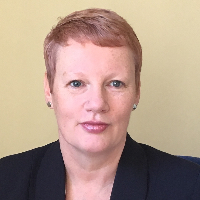
United Kingdom · 20 yrs exp
Relationship · Family · Trauma and abuse · Grief · +10 more
Read profile
United Kingdom · 5 yrs exp
Stress, Anxiety · Addictions · Trauma and abuse · Eating · +10 more
Read profile
United Kingdom · 8 yrs exp
Stress, Anxiety · Trauma and abuse · Grief · Self esteem · +6 more
Read profile
United Kingdom · 5 yrs exp
Stress, Anxiety · Relationship · Family · Trauma and abuse · +14 more
Read profile
United Kingdom · 12 yrs exp
Stress, Anxiety · Relationship · Grief · Parenting · +7 more
Read profile
United Kingdom · 8 yrs exp
Stress, Anxiety · Relationship · Grief · Self esteem · +15 more
Read profile
United Kingdom · 5 yrs exp
Stress, Anxiety · Trauma and abuse · Intimacy-related issues · Self esteem · +4 more
Read profile
United Kingdom · 5 yrs exp
Stress, Anxiety · Addictions · Relationship · Grief · +1 more
Read profile
United Kingdom · 5 yrs exp
Stress, Anxiety · Relationship · Grief · Depression · +9 more
Read profile
United Kingdom · 15 yrs exp
Stress, Anxiety · Trauma and abuse · Grief · Depression · +14 more
Read profile
United Kingdom · 10 yrs exp
Stress, Anxiety · Relationship · Family · Trauma and abuse · +16 more
Read profile
United Kingdom · 13 yrs exp
Stress, Anxiety · LGBT · Trauma and abuse · Grief · +1 more
Read profile
United Kingdom · 8 yrs exp
Stress, Anxiety · Relationship · Anger · Self esteem · +4 more
Read profile
United Kingdom · 6 yrs exp
Stress, Anxiety · Trauma and abuse · Grief · Depression · +14 more
Read profile
United Kingdom · 9 yrs exp
Stress, Anxiety · Relationship · Family · Trauma and abuse · +12 more
Read profile
United Kingdom · 3 yrs exp
Stress, Anxiety · Addictions · Family · Trauma and abuse · +9 more
Read profile
United Kingdom · 6 yrs exp
Relationship · Trauma and abuse · Grief · Self esteem · +15 more
Read profile
United Kingdom · 4 yrs exp
Stress, Anxiety · Relationship · Trauma and abuse · Self esteem · +16 more
Read profile
United Kingdom · 10 yrs exp
Stress, Anxiety · Relationship · Intimacy-related issues · Eating · +13 more
Read profile
United Kingdom · 15 yrs exp
Stress, Anxiety · Relationship · Grief · Self esteem · +13 more
Read profile
United Kingdom · 27 yrs exp
Stress, Anxiety · Relationship · Grief · Intimacy-related issues · +13 more
Read profile
United Kingdom · 5 yrs exp
Stress, Anxiety · Grief · Self esteem · Depression · +11 more
Read profile
United Kingdom · 12 yrs exp
Stress, Anxiety · Relationship · Grief · Self esteem · +12 more
Read profileStress and anxiety are natural responses to challenging situations, but they can become persistent and disruptive when they last longer than expected or begin to affect daily life. Stress often arises when demands and pressures feel greater than your coping resources, producing tension, sleep disruption and irritability. Anxiety typically involves a heightened state of worry or fear that can centre on specific events, social situations or generalised concerns about the future. Physical symptoms such as a racing heart, muscle tension and fatigue commonly accompany the emotional experience, while cognitive effects may include difficulty concentrating and a tendency to expect worst-case scenarios. It is important to recognise that experiences vary widely - what feels manageable to one person can be overwhelming to another - and that seeking support is a practical step rather than an admission of weakness.
Stress and anxiety often reinforce each other. Prolonged stress can make you more susceptible to anxious thinking, and persistent anxiety can increase physiological arousal, making you feel more stressed. Over time this cycle can affect relationships, work performance and physical wellbeing. Therapy aims to break that cycle by helping you develop clearer thinking patterns, healthier coping strategies and practical tools to regulate your physical responses. Many people find that early support prevents problems from becoming more entrenched and makes everyday challenges easier to manage.
Recognising when to seek professional help can be difficult, particularly when everyday life is busy. You might consider talking to a counsellor if worry or stress is taking up a lot of mental energy, interfering with sleep, affecting your relationships or reducing your ability to function at work or in education. Recurrent panic attacks, avoidance of situations you once managed, or a sense that worry dominates decision-making are also common prompts for seeking support. Some people come because stress is causing physical symptoms that do not improve with rest, or because they are experiencing low mood alongside anxiety. Others seek help to develop long-term resilience and strategies to cope with ongoing pressures such as caregiving, high-demand jobs or major life transitions.
If your level of distress becomes overwhelming, if you are thinking about harming yourself, or if anxiety is accompanied by thoughts that feel uncontrollable, it is important to seek urgent help through local emergency services or NHS crisis provision. For many people, however, an initial booking with a counsellor provides a timely opportunity to explore concerns and develop a plan that reduces distress and restores control.
When you begin therapy for stress and anxiety, the first few sessions typically focus on assessment and building a working relationship with your counsellor. You will be asked about current difficulties, personal history that may be relevant, and what you hope to achieve. This helps your counsellor to co-create goals and to recommend an approach that fits your circumstances. Sessions usually last around 50 to 60 minutes and can be weekly, fortnightly or arranged to suit your schedule. Progress is reviewed regularly and the style of work can shift from skill-building to deeper exploration depending on your needs and preferences.
Therapy for stress and anxiety often combines practical techniques with reflective work. Early sessions may prioritise breathing and grounding exercises, sleep hygiene, and short-term strategies to reduce acute symptoms. As trust develops, you may work on identifying unhelpful thinking patterns, testing assumptions through behavioural experiments, or exploring past experiences that influence current reactions. Many counsellors provide homework between sessions to practise new skills and to track changes. You should expect an approach tailored to you, with clear explanations of methods and an opportunity to give feedback about what is or is not helping.
Several evidence-informed approaches are commonly used to treat stress and anxiety, and a skilled counsellor will explain why a particular method is recommended. Cognitive Behavioural Therapy focuses on identifying and changing unhelpful thoughts and behaviours that maintain anxiety. Acceptance and Commitment Therapy helps you to clarify values and to build psychological flexibility, accepting difficult feelings while committing to meaningful action. Mindfulness-based approaches teach ways to relate to thoughts and sensations with less reactivity, often reducing the intensity of worry. For anxiety linked to traumatic experiences, approaches such as trauma-focused therapy may be used under suitably trained practitioners. Psychodynamic counselling explores relational patterns and underlying emotional conflicts that can contribute to long-standing anxiety. Many counsellors integrate techniques from several schools to suit the person in front of them.
When reviewing profiles, look for clear descriptions of the approaches used and examples of how they are applied. If practical skills appeal to you, a therapist who emphasises CBT or mindfulness might be a good fit. If you prefer to explore deeper emotional themes, a counsellor with psychodynamic training may be more suitable. It is reasonable to ask about training and outcome measures during a first conversation. Practitioners in the UK often indicate registration with professional bodies such as the BACP, HCPC or NCPS, which can give you additional assurance about accredited training and professional standards.
Online therapy has become a widely used option for stress and anxiety because it increases access and flexibility. Sessions can take place via video call, phone or messaging, allowing you to fit appointments around work, family and travel. The practical experience is similar to in-person work - you and your counsellor will agree on a regular appointment time and the focus of each session - but you should choose a quiet, comfortable environment where you can talk without interruptions. Many practitioners offer an initial consultation so you can get a sense of their style and decide whether the fit feels right before committing to a course of work.
When choosing a counsellor, consider factors such as therapeutic approach, experience with anxiety presentations, availability and fees. Check whether a counsellor specifies registration with recognised UK bodies like the BACP or HCPC and whether they have additional training in approaches you find appealing. Think about logistical matters - whether you prefer daytime or evening sessions, the option of online or face-to-face meetings in a comfortable environment, and whether shorter or longer sessions would suit your schedule. It can also be helpful to read client feedback where available and to ask about cancellation policies and what happens if you need to take a break from therapy. If cost is a concern, some counsellors offer sliding scale fees or low-cost placements through training clinics, and you may be eligible for NHS support depending on local services.
Finding the right counsellor is a personal process and it is normal to try an initial session or two before deciding. A good therapeutic relationship can make a meaningful difference in how you experience and manage stress and anxiety. Use the listings on this page to compare profiles, check registration and training, and reach out to start a conversation about how a counsellor can support your goals.