
Anamika Saggar
BACP· Accepting clientsUnited Kingdom · 12 yrs exp
Stress, Anxiety · Relationship · Grief · Parenting · +7 more
Read profileThe therapy listings are provided by BetterHelp and we will earn a commission if you use our link - at no cost to you.
This page helps you find therapists of colour offering culturally informed counselling across the UK. Browse the profiles below to compare approaches, view registrations like BACP or HCPC, and contact practitioners who may be a good match.
United Kingdom · 12 yrs exp
Stress, Anxiety · Relationship · Grief · Parenting · +7 more
Read profile
United Kingdom · 5 yrs exp
Stress, Anxiety · Addictions · Relationship · Grief · +1 more
Read profile
United Kingdom · 5 yrs exp
Stress, Anxiety · Relationship · Grief · Depression · +9 more
Read profile
United Kingdom · 9 yrs exp
Stress, Anxiety · Relationship · Family · Trauma and abuse · +12 more
Read profile
United Kingdom · 6 yrs exp
Relationship · Trauma and abuse · Grief · Self esteem · +15 more
Read profile
United Kingdom · 27 yrs exp
Stress, Anxiety · Relationship · Grief · Intimacy-related issues · +13 more
Read profile
United Kingdom · 6 yrs exp
Stress, Anxiety · Relationship · Family · Trauma and abuse · +7 more
Read profile
United Kingdom · 20 yrs exp
Stress, Anxiety · Relationship · Family · Trauma and abuse · +13 more
Read profile
United Kingdom · 3 yrs exp
Stress, Anxiety · Relationship · Family · Trauma and abuse · +12 more
Read profile
United Kingdom · 11 yrs exp
Relationship · Trauma and abuse · Anger · Self esteem · +11 more
Read profile
United Kingdom · 13 yrs exp
Stress, Anxiety · Relationship · Family · Grief · +13 more
Read profile
United Kingdom · 15 yrs exp
Stress, Anxiety · Family · Trauma and abuse · Anger · +14 more
Read profile
United Kingdom · 5 yrs exp
Stress, Anxiety · Family · Grief · Parenting · +8 more
Read profile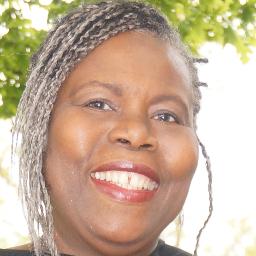
United Kingdom · 11 yrs exp
Stress, Anxiety · Relationship · Family · Self esteem · +14 more
Read profile
United Kingdom · 5 yrs exp
Parenting · Anger · Self esteem · Coping with life changes · +15 more
Read profile
United Kingdom · 8 yrs exp
Stress, Anxiety · Parenting · Anger · Self esteem · +9 more
Read profile
United Kingdom · 5 yrs exp
Stress, Anxiety · Self esteem · Career · Depression · +10 more
Read profile
United Kingdom · 5 yrs exp
Stress, Anxiety · Relationship · Family · Trauma and abuse · +15 more
Read profile
United Kingdom · 11 yrs exp
Stress, Anxiety · Relationship · Trauma and abuse · Self esteem · +11 more
Read profile
United Kingdom · 7 yrs exp
Stress, Anxiety · Relationship · Family · Self esteem · +5 more
Read profile
United Kingdom · 9 yrs exp
Stress, Anxiety · Relationship · Trauma and abuse · Grief · +10 more
Read profile
United Kingdom · 5 yrs exp
Stress, Anxiety · Trauma and abuse · Self esteem · Coping with life changes · +15 more
Read profile
United Kingdom · 3 yrs exp
Stress, Anxiety · Depression · Coping with life changes · Addictions · +10 more
Read profile
United Kingdom · 25 yrs exp
Stress, Anxiety · Relationship · Trauma and abuse · Anger · +10 more
Read profileWhen people use the phrase therapist of colour they are usually describing practitioners who identify as Black, Asian, mixed race, or from other racially marginalised backgrounds and who bring that lived experience into their therapeutic work. For many clients the phrase signals more than shared heritage - it often indicates a particular cultural awareness, an understanding of racialised experiences, and knowledge of how identity interacts with wellbeing. You may find it easier to speak about race-related stress, cultural expectations, immigration or generational patterns with someone who has navigated similar social realities. That lived perspective can help the therapeutic relationship feel more immediately relevant, and it can influence the ways a therapist frames questions, interprets connections, and suggests practical strategies.
Context matters in counselling. Racial microaggressions, experiences of exclusion at work or in education, and intergenerational tensions can shape how you understand yourself and how you cope day to day. A therapist of colour will not claim to represent every cultural background, but many will have training and personal insight that help them recognise issues that might otherwise be missed. In the UK many practitioners are registered with professional bodies such as the BACP, HCPC or NCPS, and you can check those registrations when you review practitioner profiles. Choosing someone who acknowledges the social and cultural roots of distress can be an important step in finding help that fits your life.
You might be considering a therapist of colour because you want to work with someone who can relate to the particular stresses you face, or because previous counselling felt culturally mismatched. Common reasons include feeling misunderstood in predominantly white settings, experiencing race-related anxiety or anger, or carrying the weight of microaggressions that leave you exhausted. You might also be grappling with identity questions - for example negotiating cultural expectations around family, gender roles, faith, or sexuality - and want a therapist who understands those pressures first hand.
Other signs that this specialty could help include ongoing difficulty at work related to discrimination, a sense of isolation after migration, or recurring conflicts over cultural values within relationships. If you have trauma linked to hate incidents or racially motivated harm, or if you worry that cultural stigma prevents you from being open with friends or family, finding a therapist who makes culture and race an explicit part of therapy may make it easier to address these issues. Even if your presenting concern is anxiety, low mood or relationship stress, bringing cultural context into the conversation often leads to more nuanced and effective support.
At your first meeting the therapist will usually take time to understand your immediate concerns, and to ask about your background, identity and how these connect with the difficulties you are experiencing. You can expect an initial conversation about goals - what you hope to achieve through counselling - and about practical matters such as session frequency, length and fees. A therapist of colour may invite you to tell your story in your own terms and will typically be curious about cultural family dynamics, migration history, spiritual practices and language preferences in order to build a fuller picture of your life.
Therapeutic work that explicitly attends to race and culture often combines emotional processing with practical coping strategies. You may explore how societal messages have shaped your self-image, practise setting boundaries in culturally fraught contexts, or develop techniques for managing stress triggered by microaggressions. The pace of work will depend on your needs. Some people want short-term, goal-focused support to manage a specific problem. Others prefer longer-term therapy to unpack identity, intergenerational patterns, or trauma. You should feel able to raise any concerns about fit, and a good therapist will welcome feedback about what is helpful or missing in sessions.
Therapists of colour draw on a wide range of therapeutic models while adapting their work to respect cultural values and lived experience. Cognitive behavioural approaches are commonly used to address patterns of thought and behaviour that maintain anxiety or depression, and these can be culturally tailored by using examples and interventions that make sense in your context. Trauma-informed approaches, including those that respect bodily experience and stress regulation, are often chosen when the impacts of racism or hate incidents are present.
Narrative therapy and meaning-focused approaches are particularly helpful when people want to reframe stories about identity imposed by others. These methods encourage you to externalise problems and to explore alternative narratives that reflect your strengths and cultural resources. Psychodynamic work can be useful for understanding intergenerational patterns and unconscious dynamics linked to cultural expectations, while person-centred approaches emphasise relational warmth and empathy. Some therapists integrate culturally specific practices or community resources into their work when appropriate. When reviewing profiles, you may notice therapists listing their core models alongside statements about cultural adaptations or community experience. Professional registration with bodies such as the BACP or HCPC indicates recognised training and ethical commitment, while membership of specialist networks can signal additional expertise in culturally informed practice.
Online counselling has made it easier to find a therapist of colour beyond your immediate area. Sessions commonly take place by video call, phone, or text-based messaging, and many practitioners offer a choice of formats so you can select what fits your needs and comfort. Online work lets you connect with therapists who speak your first language, who share similar cultural backgrounds, or who explicitly specialise in issues such as race-related stress or migration adjustment. You should expect a clear explanation up front about how appointments are conducted, what to do in an emergency, and how your records are managed within UK regulatory expectations.
When you browse profiles, look for information about registrations such as BACP, HCPC or NCPS, as these indicate recognised training and adherence to professional codes of practice in the UK. Read therapist descriptions to see whether they mention cultural identity, the communities they work with, languages spoken, and any specialist training in race-related issues. Prioritise clinicians who describe how they adapt their approach to culture rather than those who simply list diversity as a generic value.
You may find it helpful to book an initial conversation or short assessment session to get a sense of rapport. Use that meeting to ask about the therapist's experience with issues similar to yours, their typical therapeutic approach, and how they handle boundaries and safeguarding. Practicalities also matter - check fees, cancellation policies and whether they offer appointments at times that suit your schedule. Trust your instincts about the relational fit; feeling heard and respected early on is an important predictor of helpful therapy. Finally, consider whether you want someone local for possible face-to-face sessions or whether an online-only working arrangement is preferable for accessibility and convenience.
Finding a therapist of colour is a personal process. You do not have to commit to a long course of therapy to find out whether a practitioner is right for you. Many therapists offer an initial appointment so you can assess how well they understand your cultural context and whether their style feels comfortable. Over time, working with someone who acknowledges identity, culture and the effects of racial stress can help you build clearer ways of coping, strengthen relationships, and make sense of challenging experiences in a way that honours your background. If you are ready to take the next step, use the listings above to compare profiles and reach out to practitioners who resonate with your needs.