
Amanda Bouvier
BACP· Accepting clientsUnited Kingdom · 15 yrs exp
Stress, Anxiety · Family · Grief · Depression · +12 more
Read profileThe therapy listings are provided by BetterHelp and we will earn a commission if you use our link - at no cost to you.
Explore profiles of counsellors and therapists who specialise in relationship issues, including couple work and relationship counselling. Use the listings below to compare qualifications, therapeutic approaches and availability, and start your search for the right practitioner.
United Kingdom · 15 yrs exp
Stress, Anxiety · Family · Grief · Depression · +12 more
Read profile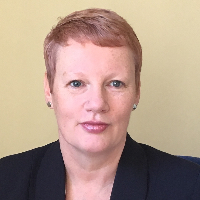
United Kingdom · 20 yrs exp
Relationship · Family · Trauma and abuse · Grief · +10 more
Read profile
United Kingdom · 5 yrs exp
Stress, Anxiety · Addictions · Trauma and abuse · Eating · +10 more
Read profile
United Kingdom · 8 yrs exp
Stress, Anxiety · Trauma and abuse · Grief · Self esteem · +6 more
Read profile
United Kingdom · 5 yrs exp
Stress, Anxiety · Relationship · Family · Trauma and abuse · +14 more
Read profile
United Kingdom · 12 yrs exp
Stress, Anxiety · Relationship · Grief · Parenting · +7 more
Read profile
United Kingdom · 8 yrs exp
Stress, Anxiety · Relationship · Grief · Self esteem · +15 more
Read profile
United Kingdom · 5 yrs exp
Stress, Anxiety · Addictions · Relationship · Grief · +1 more
Read profile
United Kingdom · 5 yrs exp
Stress, Anxiety · Relationship · Grief · Depression · +9 more
Read profile
United Kingdom · 15 yrs exp
Stress, Anxiety · Trauma and abuse · Grief · Depression · +14 more
Read profile
United Kingdom · 10 yrs exp
Stress, Anxiety · Relationship · Family · Trauma and abuse · +16 more
Read profile
United Kingdom · 8 yrs exp
Stress, Anxiety · Relationship · Anger · Self esteem · +4 more
Read profile
United Kingdom · 6 yrs exp
Stress, Anxiety · Trauma and abuse · Grief · Depression · +14 more
Read profile
United Kingdom · 9 yrs exp
Stress, Anxiety · Relationship · Family · Trauma and abuse · +12 more
Read profile
United Kingdom · 3 yrs exp
Stress, Anxiety · Addictions · Family · Trauma and abuse · +9 more
Read profile
United Kingdom · 6 yrs exp
Relationship · Trauma and abuse · Grief · Self esteem · +15 more
Read profile
United Kingdom · 4 yrs exp
Stress, Anxiety · Relationship · Trauma and abuse · Self esteem · +16 more
Read profile
United Kingdom · 10 yrs exp
Stress, Anxiety · Relationship · Intimacy-related issues · Eating · +13 more
Read profile
United Kingdom · 15 yrs exp
Stress, Anxiety · Relationship · Grief · Self esteem · +13 more
Read profile
United Kingdom · 27 yrs exp
Stress, Anxiety · Relationship · Grief · Intimacy-related issues · +13 more
Read profile
United Kingdom · 5 yrs exp
Stress, Anxiety · Grief · Self esteem · Depression · +11 more
Read profile
United Kingdom · 12 yrs exp
Stress, Anxiety · Relationship · Grief · Self esteem · +12 more
Read profile
United Kingdom · 4 yrs exp
Stress, Anxiety · Relationship · Trauma and abuse · Grief · +12 more
Read profile
United Kingdom · 6 yrs exp
Stress, Anxiety · Relationship · Trauma and abuse · Grief · +7 more
Read profileRelationship counselling can refer to help for couples, partners, family members or individuals who are negotiating the emotional and practical challenges of close relationships. Relationship difficulties range from ongoing communication problems and unmet expectations to the strain caused by life changes, grief, infidelity, or repeated conflict. These issues often touch how you communicate, how you make decisions together and how safe and respected you feel within the relationship. Over time, unresolved problems can affect sleep, concentration, work performance and your wider social life, so many people seek support to change patterns that feel stuck.
Working with a counsellor or therapist gives you a space to examine routines of interaction, recognise repeating behaviours and explore what each person needs to feel more connected. Relationship-focused therapy is not only for couples who are on the verge of separation; it is also helpful when you want to deepen intimacy, manage a transition such as becoming parents, cope with blended family dynamics or re-establish trust after a breach. The aim is typically to improve how you relate to one another so that daily life feels less strained and more manageable.
Knowing when to seek professional help is often a personal judgement, but there are common signs that suggest relationship counselling may be helpful. If disagreements frequently escalate into shouting or withdrawal, if you feel misunderstood or isolated in the relationship, or if sex and intimacy have stalled, these are signals that patterns are undermining your connection. You might notice that you avoid certain topics, that you replay the same arguments without resolution, or that one or both of you habitually criticise or stonewall rather than listen.
Other signs include persistent feelings of resentment, nagging doubts about long-term compatibility, or major life events - such as bereavement, redundancy or relocation - that change how you relate to each other. You may also seek therapy if you want to make a major decision and need a supportive space to explore options. If day-to-day stress, anxiety or depression is worsening because of relationship strain, working with a counsellor can help you separate what belongs to the relationship dynamic and what belongs to individual mental health, so you can address each in appropriate ways.
When you attend relationship counselling, the early sessions usually focus on understanding the difficulties you face and clarifying goals. You can expect an assessment that explores the history of the relationship, key triggers for conflict, each partner’s perspective and practical constraints such as work and family commitments. The counsellor may ask about patterns of communication, emotional responses and the events that led you to seek help now. This initial phase helps shape the plan for therapy and gives you a sense of how the counsellor works.
In subsequent sessions you will typically practice new ways of talking and listening, reflect on patterns of behaviour and experiment with small changes between sessions. Your counsellor might set tasks to try at home that support the work done in the room. Therapists often balance problem-solving with emotional work - so some sessions will focus on resolving a concrete dispute while others explore underlying needs and vulnerabilities. If you come as an individual rather than a couple, the focus will be on how your relationship patterns show up for you and how you can alter them to create different outcomes.
There are several evidence-informed approaches that therapists use with couples and individuals facing relationship challenges. Emotionally Focused Therapy draws on an understanding of attachment needs and helps partners recognise how their emotional responses shape interaction. Cognitive-behavioural approaches work with thoughts, beliefs and behaviours that maintain conflict, teaching skills to change unhelpful cycles. Systemic therapy examines the wider family and social patterns that influence the relationship, mapping influences such as parenting styles, extended family dynamics and cultural expectations.
Other approaches include integrative counselling, which blends methods to suit the needs of the couple; psychodynamic work, which explores how early relational experiences inform present behaviour; and couple counselling that focuses on communication skills, negotiation and practical problem-solving. Many counsellors combine approaches and tailor their plan to your goals. When you review therapist profiles, you can look for those who describe their approach and training, and for registrations with professional bodies such as BACP, HCPC or NCPS, which indicate recognised training and ethical standards.
Online therapy has become a common way to access relationship counselling, offering flexibility for couples who live apart or who find scheduling in-person sessions difficult. Online sessions typically take place via video call so you can see one another and the counsellor, but some people choose phone or text-based options depending on the counsellor’s services. Before you begin, check practical details such as the platform used, how long sessions last and how to manage interruptions. A good therapist will agree ground rules with you at the start, including confidentiality in the context of virtual sessions and what to do if you lose connection.
Working online can be as effective as in-person therapy for many relationship difficulties, particularly when you and your counsellor establish a clear plan and maintain consistent sessions. You may find it easier to fit regular appointments into busy lives when you do not need to travel. However, some kinds of work - for example, when risk is a concern or when emotional intensity is very high - might be recommended to take place in person or with additional safety planning. Discuss any concerns with prospective counsellors so you can choose an arrangement that feels manageable and supportive.
Choosing a counsellor is a personal process and you are entitled to try a few before you settle. Start by looking for practitioners who outline their experience with the kinds of issues you face and who state their professional registration. In the UK you will commonly see counsellors registered with BACP, HCPC or NCPS - these registrations indicate recognised training and adherence to professional codes of conduct. Read profiles for descriptions of approach, typical session length and whether they see individuals, couples or families.
When you contact a counsellor, ask about practicalities such as fees, cancellation policies and whether they work face-to-face, online or both. It is useful to enquire about their experience with specific concerns you have - for example, work on rebuilding trust after betrayal, negotiating co-parenting, or addressing differences in sexual desire. Trust your response to the initial conversation; if you feel heard and that the counsellor understands your goals, that is a strong sign the relationship could be productive. If it does not feel like a good fit, it is reasonable to try another practitioner until you find someone who suits your needs and communication style.
Relationship counselling is an investment in how you relate to others and in your everyday wellbeing. By understanding what to expect, recognising the signs that support may help, and choosing a counsellor who matches your values and goals, you can take practical steps towards healthier, more satisfying relationships. Use the listings above to compare profiles, check professional registration and arrange an initial appointment so you can begin the work that matters to you.