
Fiona Adams
BACP· Accepting clientsUnited Kingdom · 5 yrs exp
Stress, Anxiety · Relationship · Family · Trauma and abuse · +14 more
Read profileThe therapy listings are provided by BetterHelp and we will earn a commission if you use our link - at no cost to you.
Explore counsellors and therapists across the UK who specialise in HIV / AIDS-related issues, from diagnosis and disclosure to long-term wellbeing. Browse the listings below to compare qualifications, therapeutic approaches and availability, and contact a counsellor to arrange a consultation.
United Kingdom · 5 yrs exp
Stress, Anxiety · Relationship · Family · Trauma and abuse · +14 more
Read profile
United Kingdom · 6 yrs exp
Relationship · Trauma and abuse · Grief · Self esteem · +15 more
Read profile
United Kingdom · 27 yrs exp
Stress, Anxiety · Relationship · Grief · Intimacy-related issues · +13 more
Read profile
United Kingdom · 15 yrs exp
Stress, Anxiety · Relationship · Trauma and abuse · Self esteem · +16 more
Read profile
United Kingdom · 5 yrs exp
Stress, Anxiety · Self esteem · Career · Depression · +10 more
Read profile
United Kingdom · 20 yrs exp
Addictions · Relationship · Trauma and abuse · Self esteem · +12 more
Read profile
United Kingdom · 5 yrs exp
Stress, Anxiety · Addictions · Grief · Self esteem · +16 more
Read profile
United Kingdom · 7 yrs exp
Stress, Anxiety · Family · Trauma and abuse · Grief · +16 more
Read profile
United Kingdom · 16 yrs exp
Stress, Anxiety · Relationship · Family · Grief · +1 more
Read profile
United Kingdom · 12 yrs exp
Stress, Anxiety · Addictions · Relationship · Trauma and abuse · +16 more
Read profile
United Kingdom · 3 yrs exp
Stress, Anxiety · Relationship · Grief · Anger · +11 more
Read profile
United Kingdom · 40 yrs exp
Relationship · Family · Grief · Parenting · +14 more
Read profile
United Kingdom · 5 yrs exp
Stress, Anxiety · Addictions · Relationship · Grief · +12 more
Read profile
United Kingdom · 15 yrs exp
Stress, Anxiety · Relationship · Grief · Intimacy-related issues · +12 more
Read profile
United Kingdom · 17 yrs exp
Relationship · Family · Grief · Parenting · +12 more
Read profile
United Kingdom · 22 yrs exp
Stress, Anxiety · Relationship · Family · Grief · +16 more
Read profile
United Kingdom · 3 yrs exp
Relationship · Family · Grief · Depression · +1 more
Read profile
United Kingdom · 12 yrs exp
Stress, Anxiety · Relationship · Grief · Parenting · +12 more
Read profile
United Kingdom · 4 yrs exp
Stress, Anxiety · Grief · Self esteem · Depression · +11 more
Read profile
United Kingdom · 13 yrs exp
Stress, Anxiety · Grief · Eating · Self esteem · +14 more
Read profile
United Kingdom · 3 yrs exp
Stress, Anxiety · Trauma and abuse · Career · Depression · +11 more
Read profile
United Kingdom · 22 yrs exp
Stress, Anxiety · Addictions · LGBT · Trauma and abuse · +16 more
Read profile
United Kingdom · 12 yrs exp
Stress, Anxiety · Grief · Anger · Self esteem · +1 more
Read profile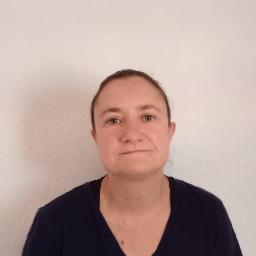
United Kingdom · 13 yrs exp
Stress, Anxiety · Addictions · Trauma and abuse · Depression · +11 more
Read profileWhen you first hear the terms HIV and AIDS you may think of medical treatment alone, but the psychological and social effects are often just as important. HIV is a virus that affects the immune system and can be managed with modern treatment. AIDS refers to a stage where the immune system has been significantly affected. Living with a diagnosis - or fearing one - can change how you relate to work, relationships and your own sense of self. Concerns about stigma, disclosure and sexual health can create ongoing stress, while the practical demands of long-term medication and medical appointments can be emotionally wearing.
Your experience may include a mix of uncertainty, anger, grief and resilience. Some people find that the initial period after diagnosis brings intense emotion and a need for information and support. Others may carry unresolved trauma or sadness for many years, particularly if relationships have been affected or if you have encountered prejudice. Counselling can help you process those feelings and find practical ways to manage day-to-day life, whether you are newly diagnosed, have been living with HIV for many years, or are supporting a partner, family member or friend.
You might consider therapy if you notice persistent changes in mood, such as prolonged low mood, anxiety or panic that affects your ability to carry out normal activities. Worries about disclosure - whether to a new partner, employer or family member - can leave you feeling isolated and uncertain. If you are using avoidance strategies, substance use, or unsafe sex as a way of coping, a therapist can help you explore underlying needs and develop safer patterns.
Other signs include difficulty managing the practical demands of treatment, ongoing trauma related to diagnosis or past experiences of discrimination, and relationship strain arising from differences in risk perception or status. You may also seek therapy for sexual wellbeing, to address fears about intimacy, or to rebuild confidence after a period of ill health. If you are caring for someone with advanced illness, you may need support with anticipatory grief and the emotional impact of caregiving. Seeking help early can reduce longer-term distress and help you make clearer decisions about your health and relationships.
At your first sessions a counsellor will usually take time to understand your current situation, history and immediate concerns. This assessment is a chance for you to set priorities and ask about practical matters such as fees, session length and whether the counsellor is registered with professional bodies such as BACP, HCPC or NCPS. You should feel able to discuss confidentiality and how your information is handled, and a registered counsellor will explain their practice policies clearly.
Subsequent sessions will typically combine emotional work with practical strategies. You might explore reactions to diagnosis, process grief or anger, and work on skills for managing anxiety or intrusive thoughts. A therapist can help you prepare for disclosure conversations, role-play scenarios, and plan how to access community resources or peer support. Therapy can also address sexual health concerns, changes in body image, and the impact of long-term medication on mood or cognition. If you have trauma linked to medical experiences or discrimination, trauma-focused approaches can be integrated to help you process those memories safely.
Counsellors use a range of evidence-informed approaches depending on your needs and preferences. Cognitive behavioural therapy helps you identify and change unhelpful thought patterns and build coping skills for anxiety and low mood. Acceptance and commitment therapy supports you in clarifying values and taking action even when difficult emotions arise. Psychodynamic or integrative therapy can be helpful when you want to explore long-standing patterns in relationships and self-concept that are affected by living with HIV.
For people who have experienced medical trauma or other traumatic events, trauma-focused therapies may be offered to help process memories and reduce their ongoing emotional impact. Sex therapy and couples therapy may be useful when intimacy, desire or disclosure are central concerns. Many counsellors also provide supportive counselling that combines practical problem-solving with emotional validation, which can be especially valuable during periods of adjustment or when you are navigating health systems and social services.
Online counselling has become a common way to access specialist support, and it can be particularly helpful when you want access to someone with experience of HIV / AIDS who may not be local. Sessions typically take place over video call or telephone, and you can arrange appointments that fit around clinic visits or work. You will have an opportunity to discuss your immediate safety and wellbeing, and a counsellor will agree with you how to manage any crisis between sessions, including local support options in your area.
When choosing online therapy you should check that the counsellor is registered with a recognised UK body such as BACP, HCPC or NCPS, and that they outline how they handle records and referral if you need additional help. Online work can be as effective as face-to-face for many issues, and it offers the flexibility to continue therapy if you move or travel. If you prefer face-to-face sessions, many counsellors offer a mix of online and in-person appointments or can signpost local services and community groups that specialise in HIV support.
Finding a counsellor who feels right for you is an important step. Start by considering the issues you most want to address - emotional processing, disclosure planning, sexual health concerns, trauma or relationship work - and look for professionals who state experience in those areas. Check their qualifications and whether they are registered with BACP, HCPC or NCPS, and read any available information about their therapeutic approach and experience supporting people living with HIV / AIDS.
Trust your instincts about rapport. Many counsellors offer a brief introductory call or initial assessment so you can ask about their experience, therapeutic style and practical arrangements. It is reasonable to ask how they work with disclosure, how they support sexual wellbeing, and what they recommend if you need additional medical or legal advice. You may find it helpful to prioritise someone who has experience with issues such as stigma, cultural differences or minority sexual identities, depending on your context. If a therapist does not feel like the right fit, it is acceptable to try a few consultations until you find someone who meets your needs and helps you move toward clearer coping and greater wellbeing.
Accessing specialised psychological support can make a meaningful difference when you are living with or affected by HIV / AIDS. Whether you want short-term coping strategies, help with disclosure, or deeper therapeutic work, a counsellor with relevant experience can offer a respectful, informed approach to help you navigate the emotional and practical challenges ahead. Use the listings above to compare profiles and take the next step in arranging a consultation.