
Anamika Saggar
BACP· Accepting clientsUnited Kingdom · 12 yrs exp
Stress, Anxiety · Relationship · Grief · Parenting · +7 more
Read profileThe therapy listings are provided by BetterHelp and we will earn a commission if you use our link - at no cost to you.
Find accredited Black therapists and counsellors across the UK who focus on culturally informed therapy and lived experience. Browse therapist profiles below to compare qualifications, therapeutic approach and availability.
United Kingdom · 12 yrs exp
Stress, Anxiety · Relationship · Grief · Parenting · +7 more
Read profile
United Kingdom · 5 yrs exp
Stress, Anxiety · Addictions · Relationship · Grief · +1 more
Read profile
United Kingdom · 5 yrs exp
Stress, Anxiety · Relationship · Grief · Depression · +9 more
Read profile
United Kingdom · 9 yrs exp
Stress, Anxiety · Relationship · Family · Trauma and abuse · +12 more
Read profile
United Kingdom · 6 yrs exp
Relationship · Trauma and abuse · Grief · Self esteem · +15 more
Read profile
United Kingdom · 27 yrs exp
Stress, Anxiety · Relationship · Grief · Intimacy-related issues · +13 more
Read profile
United Kingdom · 6 yrs exp
Stress, Anxiety · Relationship · Family · Trauma and abuse · +7 more
Read profile
United Kingdom · 20 yrs exp
Stress, Anxiety · Relationship · Family · Trauma and abuse · +13 more
Read profile
United Kingdom · 3 yrs exp
Stress, Anxiety · Relationship · Family · Trauma and abuse · +12 more
Read profile
United Kingdom · 11 yrs exp
Relationship · Trauma and abuse · Anger · Self esteem · +11 more
Read profile
United Kingdom · 13 yrs exp
Stress, Anxiety · Relationship · Family · Grief · +13 more
Read profile
United Kingdom · 15 yrs exp
Stress, Anxiety · Family · Trauma and abuse · Anger · +14 more
Read profile
United Kingdom · 5 yrs exp
Stress, Anxiety · Family · Grief · Parenting · +8 more
Read profile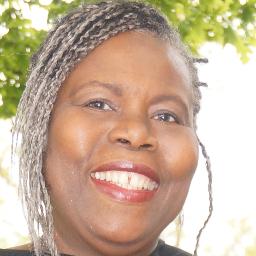
United Kingdom · 11 yrs exp
Stress, Anxiety · Relationship · Family · Self esteem · +14 more
Read profile
United Kingdom · 5 yrs exp
Parenting · Anger · Self esteem · Coping with life changes · +15 more
Read profile
United Kingdom · 8 yrs exp
Stress, Anxiety · Parenting · Anger · Self esteem · +9 more
Read profile
United Kingdom · 5 yrs exp
Stress, Anxiety · Self esteem · Career · Depression · +10 more
Read profile
United Kingdom · 5 yrs exp
Stress, Anxiety · Relationship · Family · Trauma and abuse · +15 more
Read profile
United Kingdom · 11 yrs exp
Stress, Anxiety · Relationship · Trauma and abuse · Self esteem · +11 more
Read profile
United Kingdom · 7 yrs exp
Stress, Anxiety · Relationship · Family · Self esteem · +5 more
Read profile
United Kingdom · 9 yrs exp
Stress, Anxiety · Relationship · Trauma and abuse · Grief · +10 more
Read profile
United Kingdom · 5 yrs exp
Stress, Anxiety · Trauma and abuse · Self esteem · Coping with life changes · +15 more
Read profile
United Kingdom · 3 yrs exp
Stress, Anxiety · Depression · Coping with life changes · Addictions · +10 more
Read profile
United Kingdom · 25 yrs exp
Stress, Anxiety · Relationship · Trauma and abuse · Anger · +10 more
Read profileWhen you search for a Black therapist you are often looking for someone who combines clinical training with an understanding of the cultural, historical and social contexts that shape your life. A therapist who identifies as Black or who has specialist experience working with Black clients will usually bring awareness of racial identity, systemic racism, migration histories and cultural values into the therapeutic conversation. That does not mean every session will centre on race, but it does mean these themes can be explored without repeatedly having to explain the background or correct assumptions.
Culturally responsive practice helps you feel seen and heard in ways that go beyond general therapeutic empathy. This can affect the kinds of questions a therapist asks, the examples they use, how they understand family dynamics and how they discuss coping strategies. You may find it easier to explore sensitive topics such as microaggressions, racial trauma, or intergenerational expectations when your therapist recognises the nuance of those experiences. In the UK context, many Black therapists also understand the particular pressures of navigating workplaces, education systems and public services where representation and understanding may be limited.
You might be considering a Black therapist because you want to address experiences that are shaped by race and culture. If you find yourself replaying encounters where you felt misunderstood or dismissed, or if repeated experiences of prejudice are affecting your mood, your relationships or your confidence, therapy can provide a space to process these effects. You may also be struggling with identity questions, such as negotiating cultural expectations with your own values, or coping with the legacy of migration and family separation.
Other signs that may point to seeking therapy include feeling isolated from friends or community due to your experiences, noticing changes in sleep, appetite or concentration during times of racial stress, or experiencing heightened anxiety or low mood after events that challenge your sense of safety. You might have recurring relational patterns that seem tied to cultural expectations or feel that mainstream services do not appreciate the full context of your concerns. Choosing a therapist who understands those layers can make it easier to explore how these experiences influence your behaviour and wellbeing.
When you start therapy with a Black counsellor or a counsellor who specialises in Black experiences, the opening sessions will often focus on building rapport and understanding your background. Expect invited conversation about your family history, cultural influences, experiences of race and any past encounters with services that felt unhelpful. This initial assessment helps the therapist tailor their approach to your priorities rather than imposing a one-size-fits-all model.
Therapy may include short-term, goal-focused work or a longer exploratory process depending on what you want to achieve. Sessions commonly combine reflection - talking through events and feelings - with practical strategies for coping with stressors. A culturally informed therapist will also check in about how cultural values, community ties and identity shape your goals. You should expect an emphasis on collaborative planning, where you and the counsellor agree on what to work on and review progress over time. If trauma memories or intense emotional responses arise, the therapist will negotiate the pace of work and offer stabilising techniques before moving into deeper material.
Therapists working with Black clients draw on a range of evidence-informed approaches and adapt them to be culturally relevant. Cognitive-behavioural approaches are often used to help identify and reframe unhelpful thought patterns that contribute to anxiety and low mood, while narrative therapy can be powerful for examining how stories about identity and race have been told and internalised. Psychodynamic work may be offered to explore intergenerational patterns and early relationships, particularly when family expectations and cultural history are central to your concerns.
Where experiences of racial trauma or organised violence are present, trauma-informed methods are commonly integrated. These approaches focus on safety, emotional regulation and gradual processing of distressing memories. Some therapists also use body-based techniques or EMDR where appropriate, adapting them to respect cultural meanings attached to the body and healing. Many counsellors take an integrative stance - blending elements of different models - so therapy can be personalised to match your preferences and the particular challenges you bring.
Online therapy has become a widely used option and it can be particularly useful when you want access to a Black therapist who understands your background but may not be available locally. Video sessions allow for face-to-face interaction from your own setting, while telephone or messaging options can offer greater flexibility if you prefer less visual contact. Therapists will usually outline practical arrangements such as session length, fees, cancellation policies and platforms used, and they will agree on a communication plan for between-session contact and emergencies.
To get the most from online work you can prepare a quiet, comfortable environment where you will not be interrupted. Some clients find it helpful to use headphones and to set boundaries with household members during session time. If concerns about privacy at home are an issue, discuss them with the therapist - many will suggest practical solutions such as using a parked car or booking a room at a community centre or clinic for the duration of a session. Online therapy also makes it easier to continue work if you move or travel, while permitting access to therapists who specialise in culturally specific issues.
Begin by thinking about what matters most to you in therapy. Do you want a counsellor who shares your cultural background, or a practitioner who has specific expertise in race-related stress, migration, intergenerational trauma or family issues? Look for therapists who list relevant experience and who are registered with recognised professional bodies such as BACP, HCPC or NCPS. Registration indicates that the therapist adheres to professional standards and engages in ongoing supervision and continuing professional development, which helps in maintaining safe and effective practice.
Practicalities matter as much as clinical fit. Check fees, session length and whether they offer in-person, online or hybrid appointments. Read profiles and any client feedback to get a sense of style and approach. It is reasonable to schedule an initial consult - many therapists offer a short introductory call - to see if you feel comfortable with their manner and to ask about their experience working with issues like yours. Trust your judgement: if you do not feel understood or at ease, it is okay to continue searching until you find someone who meets your needs.
Choosing a therapist is a personal process and it can take time. Working with a Black counsellor or a therapist who has specialist cultural expertise can open up new ways of making sense of experiences that mainstream services sometimes miss. Whether you are seeking short-term support or longer-term exploration, clear communication about goals, boundaries and expectations will help you get the most from the therapeutic relationship.
When you are ready to begin, use the listings above to compare qualifications, read about therapeutic approaches and contact counsellors who seem like a good match. Taking that first step is often one of the most important moves towards feeling more grounded and able to manage the challenges you face.