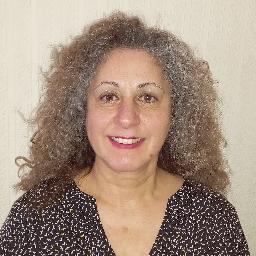
Fariba Shahbakhti-Warrington
BACP· Accepting clientsUnited Kingdom · 3 yrs exp
Stress, Anxiety · Addictions · Family · Trauma and abuse · +9 more
Read profileThe therapy listings are provided by BetterHelp and we will earn a commission if you use our link - at no cost to you.
Accessing therapy in your first language can make a profound difference to how clearly you can express feelings and make sense of experiences. Browse the Persian-speaking therapists below to find a practitioner who matches your needs and cultural background.
United Kingdom · 3 yrs exp
Stress, Anxiety · Addictions · Family · Trauma and abuse · +9 more
Read profile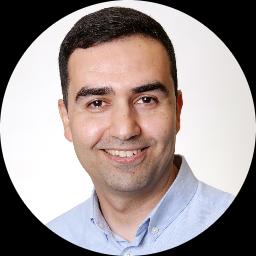
United Kingdom · 7 yrs exp
Stress, Anxiety · Relationship · Family · Self esteem · +5 more
Read profile
United Kingdom · 5 yrs exp
Stress, Anxiety · Trauma and abuse · Self esteem · Coping with life changes · +15 more
Read profile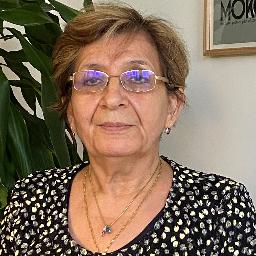
United Kingdom · 17 yrs exp
Relationship · Family · Grief · Parenting · +12 more
Read profile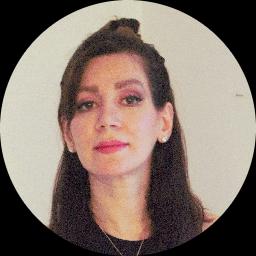
United Kingdom · 19 yrs exp
Stress, Anxiety · Trauma and abuse · Anger · Depression · +1 more
Read profile
United Kingdom · 7 yrs exp
Stress, Anxiety · Addictions · Grief · Self esteem · +1 more
Read profile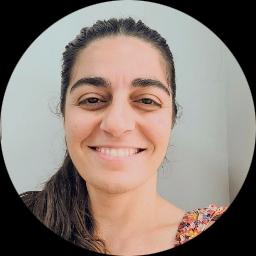
United Kingdom · 11 yrs exp
Stress, Anxiety · Addictions · Relationship · Trauma and abuse · +16 more
Read profile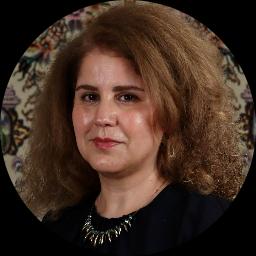
United Kingdom · 5 yrs exp
Stress, Anxiety · Relationship · Trauma and abuse · Intimacy-related issues · +12 more
Read profile
United Kingdom · 14 yrs exp
Stress, Anxiety · Relationship · Trauma and abuse · Intimacy-related issues · +13 more
Read profile
United Kingdom · 4 yrs exp
Stress, Anxiety · Relationship · Family · Self esteem · +13 more
Read profile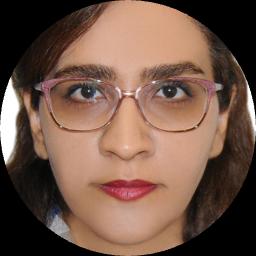
United Kingdom · 10 yrs exp
Stress, Anxiety · Relationship · Parenting · Self esteem
Read profile
United Kingdom · 5 yrs exp
Stress, Anxiety · Relationship · Family · Trauma and abuse · +1 more
Read profile
United Kingdom · 4 yrs exp
Stress, Anxiety · Trauma and abuse · Grief · Depression · +1 more
Read profile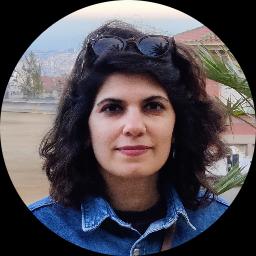
United Kingdom · 3 yrs exp
Stress, Anxiety · Trauma and abuse · Grief · Self esteem · +1 more
Read profileWhen you speak with a therapist in Persian you are able to use the exact words, idioms and metaphors that carry emotional weight for you. Many subtle shades of meaning are tied to specific phrases and cultural references, and being able to name sensations or memories in your native tongue helps you and your therapist explore them more deeply. Therapy is not just about problem solving - it is about feeling understood, and that understanding often depends on the nuances of language. For Persian speakers, the comfort of speaking in the language you grew up with can reduce the effort of translation and let you focus on reflection and healing.
Beyond vocabulary, cultural context matters. Concepts of family, honour, respect and communal responsibility have particular resonances in Persian cultural worlds. A therapist who understands how these themes are expressed in your language is better placed to help you make sense of conflicts and to create strategies that fit your life. That cultural attunement can also lower the threshold for discussing sensitive topics that might feel risky with someone who does not share the same background.
Language barriers can change the shape of therapy in ways that are not always obvious. If you work with a therapist who is not fluent in Persian, you may find yourself simplifying complex feelings or selecting English words that feel less precise. This narrowing of expression can make it harder to access the deeper emotions therapy often seeks to uncover. Using an interpreter can help with literal meaning but may still lose the immediacy of a direct therapeutic bond and the rhythm of a conversation in your mother tongue.
Misunderstandings caused by language gaps can also affect practical aspects of therapy. You might miss important nuances in assessment, consent or treatment recommendations, and small differences in phrasing can lead to confusion about next steps. For these reasons, many people prefer a therapist who speaks Persian fluently and can recognise culturally specific expressions of distress. That fluency supports clearer communication, stronger rapport and a more efficient therapeutic process.
Online therapy with a Persian-speaking therapist is increasingly common and offers a familiar structure to most clients. Your first session will usually include an assessment where you discuss what brought you to therapy, your current difficulties and your hopes for change. A therapist will outline their approach and suggest a plan, and you can ask about how they work and what methods they use. Sessions typically last 50 to 60 minutes and appointments can be weekly, fortnightly or at another cadence you both agree on.
On a practical level, online therapy removes travel barriers and can make it easier to fit appointments around work or family life. You will want to check that the therapist is registered with a recognised UK professional body and to ask about fees, cancellation policies and how records are handled. Therapists commonly explain their privacy and data protection procedures so you can feel informed about how information is stored and used. If dialect matters to you - for example Iranian Persian versus Afghan Dari - it is worth asking about the therapist's familiarity with specific variants and cultural contexts.
Many Persian-speaking people worry about how therapy will be perceived by family or community. There can be strong expectations to manage problems within the family or to present a resilient front. This may make it harder to ask for help or to attend regularly. You might also have concerns about discussing topics such as relationship difficulties, mental health struggles or identity questions in a way that could feel shameful within your social circles. It is important to know that therapists frequently work with cultural sensitivity and can help you navigate conversations about disclosure and boundaries with family members.
Another common issue is the challenge of finding providers who both speak Persian and understand the cultural background that shapes your life. Some practices list language skills and cultural experience in their profiles, which can help narrow your search. If you are worried about meeting someone who will judge your values or beliefs, you can ask for an initial consultation to get a sense of their approach and how they respond to the topics you bring. This can give you the confidence to continue or to try another therapist.
Online therapy widens the pool of Persian-speaking therapists available to you because you are not limited to practitioners in your immediate area. This is particularly helpful in the UK where certain regions may have fewer clinicians who speak Persian. The ability to choose from a broader range increases the chances of finding someone with the right therapeutic approach, cultural knowledge and personality fit. It also makes it more feasible to schedule appointments outside standard working hours if that suits your life.
Flexibility extends beyond timing. You can arrange sessions from home or another convenient location and reduce the time spent travelling. For people who live far from communities where Persian is widely spoken, online work can preserve continuity when you move house or travel. Many therapists tailor their online approach to ensure sessions remain warm, engaging and effective even when conducted via video or phone.
Start by reflecting on what you hope to gain from therapy and what qualities matter most in a therapist. Some people prioritise a clinician with experience of diaspora issues, migration-related stress, or family dynamics common in Persian-speaking communities. Others focus on therapeutic style and may prefer someone who practises cognitive behavioural methods, psychodynamic work, or an integrative approach. You can review therapist profiles for registration details, areas of expertise and any notes on cultural competence.
It is perfectly reasonable to book a short initial session to get a sense of fit. During that meeting, ask about the therapist's experience with Persian-speaking clients, how they handle cultural differences, what languages they use in sessions and how they manage practicalities like fees and cancellations. Pay attention to whether you feel heard and whether explanations about treatment are clear. If a particular therapist does not feel right, it is a normal part of the process to try another practitioner until you find someone who meets your needs.
Choosing a therapist is a personal decision and taking time to find the best match increases the chances that therapy will be helpful. Whether you are seeking support for anxiety, grief, relationship issues or the effects of relocation, working with a Persian-speaking therapist can make communication easier and provide a culturally informed context for your healing.