
Sharon Boyd
BACP, NCPS· Accepting clientsUnited Kingdom · 13 yrs exp
Stress, Anxiety · LGBT · Trauma and abuse · Grief · +1 more
Read profileThe therapy listings are provided by BetterHelp and we will earn a commission if you use our link - at no cost to you.
Explore profiles of UK counsellors and therapists who specialise in obsessive-compulsive disorder (OCD). You can filter by approach, accreditation and location to find a practitioner who suits your needs.
Browse the listings below to compare qualifications, experience and availability, then contact a therapist to arrange an initial consultation.
United Kingdom · 13 yrs exp
Stress, Anxiety · LGBT · Trauma and abuse · Grief · +1 more
Read profile
United Kingdom · 5 yrs exp
Addictions · Family · Trauma and abuse · Self esteem · +1 more
Read profile
United Kingdom · 6 yrs exp
Relationship · Trauma and abuse · Grief · Self esteem · +15 more
Read profile
United Kingdom · 4 yrs exp
Stress, Anxiety · Relationship · Trauma and abuse · Self esteem · +16 more
Read profile
United Kingdom · 27 yrs exp
Stress, Anxiety · Relationship · Grief · Intimacy-related issues · +13 more
Read profile
United Kingdom · 5 yrs exp
Stress, Anxiety · Grief · Self esteem · Depression · +11 more
Read profile
United Kingdom · 4 yrs exp
Stress, Anxiety · Relationship · Trauma and abuse · Grief · +12 more
Read profile
United Kingdom · 20 yrs exp
Stress, Anxiety · Relationship · Family · Trauma and abuse · +13 more
Read profile
United Kingdom · 18 yrs exp
Stress, Anxiety · Relationship · Trauma and abuse · Depression · +12 more
Read profile
United Kingdom · 11 yrs exp
Relationship · Trauma and abuse · Anger · Self esteem · +11 more
Read profile
United Kingdom · 15 yrs exp
Stress, Anxiety · Family · Trauma and abuse · Anger · +14 more
Read profile
United Kingdom · 5 yrs exp
Stress, Anxiety · Family · Grief · Parenting · +8 more
Read profile
United Kingdom · 5 yrs exp
Parenting · Anger · Self esteem · Coping with life changes · +15 more
Read profile
United Kingdom · 8 yrs exp
Stress, Anxiety · Parenting · Anger · Self esteem · +9 more
Read profile
United Kingdom · 15 yrs exp
Stress, Anxiety · Relationship · Trauma and abuse · Self esteem · +16 more
Read profile
United Kingdom · 5 yrs exp
Stress, Anxiety · Relationship · Family · Trauma and abuse · +15 more
Read profile
United Kingdom · 7 yrs exp
Stress, Anxiety · Addictions · Relationship · Depression · +11 more
Read profile
United Kingdom · 7 yrs exp
Stress, Anxiety · LGBT · Family · Intimacy-related issues · +15 more
Read profile
United Kingdom · 9 yrs exp
Stress, Anxiety · Relationship · Trauma and abuse · Grief · +10 more
Read profile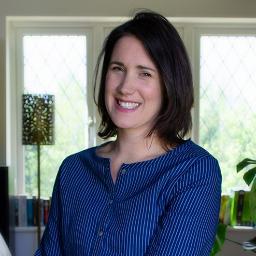
United Kingdom · 10 yrs exp
Trauma and abuse · Grief · Eating · Bipolar · +11 more
Read profile
United Kingdom · 20 yrs exp
Addictions · Relationship · Trauma and abuse · Self esteem · +12 more
Read profile
United Kingdom · 5 yrs exp
Stress, Anxiety · Addictions · Grief · Self esteem · +16 more
Read profile
United Kingdom · 7 yrs exp
Stress, Anxiety · Trauma and abuse · Grief · Anger · +6 more
Read profile
United Kingdom · 7 yrs exp
Stress, Anxiety · Family · Trauma and abuse · Grief · +16 more
Read profileObsessive-compulsive disorder, often called OCD, is a condition where unwanted thoughts, images or urges - obsessions - repeatedly enter your mind and create anxiety or distress. To manage that distress you may feel compelled to perform certain behaviours or mental actions - compulsions - which can temporarily reduce anxiety but often reinforce the cycle. People experience OCD in many different ways: for some it centres on contamination fears and repeated washing, for others it involves checking rituals, intrusive blasphemous or taboo thoughts, ordering and symmetry, hoarding tendencies or mental rituals such as silent counting. The intensity of these experiences varies, and they can consume considerable time and energy, interfere with work or study, and erode relationships and enjoyment of life.
You might notice that rituals take longer over time, that you avoid triggers or that obsessions intrude even when you try to distract yourself. Many people with OCD describe feeling ashamed or frightened by their thoughts and worry about what others would think. Understanding that these symptoms form a recognised condition can be the first step towards finding help that reduces their hold on your daily life.
If obsessive thoughts or compulsive behaviours take up a significant portion of your day or make it difficult to fulfil responsibilities, therapy can be helpful. You may benefit from speaking to a specialist if your rituals interfere with work, study or caring for others, if you avoid places or activities because of obsessional fears, or if you feel increasingly isolated or distressed. Another sign is when you recognise that your behaviours are unwanted but feel unable to stop them despite trying. You may also notice rising anxiety, low mood or sleep disruption linked to obsessive cycles. Even if your symptoms feel manageable now, early intervention often prevents patterns from becoming more entrenched.
Seeking help is appropriate whether you have a long history of OCD-like symptoms or have noticed a recent increase. You do not need to reach a crisis point to benefit from therapy; a conversation with a counsellor or therapist who specialises in OCD can clarify treatment options and set a manageable plan tailored to your situation.
Your first sessions typically involve a careful assessment where the therapist asks about the nature of your obsessions and compulsions, how symptoms affect your daily life, and any previous treatments or medical input. This helps the therapist develop a formulation - a personalised explanation of how your particular thoughts, behaviours and emotions interact. A good formulation acts as a shared map that guides treatment priorities and helps you and your therapist agree realistic goals.
Most approaches for OCD are structured and collaborative. Sessions usually focus on practical strategies you can apply between appointments, so you should expect 'homework' tasks that reinforce progress. Initially this may include monitoring thoughts and behaviours to spot patterns. As therapy progresses you may work on graded exposure exercises and techniques to resist compulsive responses while tolerating anxiety. Your therapist will check in on how you find exercises and adapt pace to what feels manageable. You may also discuss relapse-prevention strategies to support gains over the longer term.
Cognitive behavioural approaches are the most widely used for OCD. Exposure and response prevention - ERP - is a specific behavioural method where you gradually face feared situations or thoughts without performing compulsions, learning that anxiety reduces over time without the ritual. Cognitive elements address the meaning you attach to intrusive thoughts and help reframe unhelpful beliefs about responsibility, threat and perfectionism. Acceptance and commitment therapy - ACT - is another approach that helps you change your relationship with difficult thoughts by focusing on values-based action rather than trying to eliminate thoughts. Some therapists integrate mindfulness practices to support tolerance of distress and reduce rumination.
Your therapist may also work systemically when family dynamics maintain avoidance or accommodation of rituals. In some cases clinical teams recommend combined care with a GP or psychiatrist if medication is being considered, but decisions about medication are made with medical professionals. When choosing a therapist you can ask about their specific training in ERP or cognitive therapies and whether they are registered with a professional body such as BACP, HCPC or NCPS, which indicates recognised professional standards and ongoing professional development.
Online therapy makes specialist OCD care more accessible if you live outside major centres or have difficulty attending in person. Typical online sessions use video calls so you can speak face-to-face with your therapist from home. Initial assessments follow the same structure as in-person work, and many of the same techniques - including ERP - can be adapted to remote delivery. Your therapist will help plan in-situ exercises you can practise at home and may ask for recordings or notes to discuss progress. For some people working in their own environment makes exposure tasks easier to apply because the feared triggers are present in the same setting.
When preparing for online sessions you should choose a comfortable environment where you will not be interrupted, check your internet and device, and agree boundaries with the therapist about contact between sessions. Therapists will explain how they handle session notes and professional duties of care, and will work with you to manage any safety concerns. Online therapy is not suitable for every situation, so your therapist will discuss alternatives if more intensive face-to-face support or medical involvement is indicated.
When selecting a therapist you should look for someone with specific experience treating OCD and training in evidence-based approaches such as ERP and cognitive therapy. Ask whether they have completed supervised practice with clients with OCD and whether they hold membership of relevant professional bodies like BACP, HCPC or NCPS. Membership indicates adherence to ethical standards and ongoing professional development. It is also reasonable to ask about their experience with related issues you might have, such as health anxiety, trauma or depression, since these can influence how therapy is tailored.
Practical matters matter. Consider whether you prefer in-person, online or blended sessions, the typical session length, fees and cancellation policies. You should also feel able to discuss the therapist's approach during an initial consultation - many practitioners offer a short introductory call so you can see how you get on together. The therapeutic relationship - how well you feel heard, respected and understood - is a crucial part of effectiveness, so trust your instincts about whether the therapist is a good fit. If an approach does not feel suitable you can discuss alternatives or seek a second opinion.
Useful questions include asking about the therapist's specific experience with OCD, what a typical course of therapy might involve, how they measure progress, and how they work with your GP or other services if needed. You may wish to ask whether they offer a formulation at the start and how they support relapse prevention. Clear communication about expectations and goals helps you make an informed choice and sets the foundation for constructive work together.
If you are ready to look for a therapist, use the directory filters to find counsellors and therapists who specialise in OCD, check their profiles for qualifications and experience, and book an initial consultation to discuss your needs. Taking that first step can open the door to effective strategies that reduce the impact of obsessive thoughts and compulsive behaviours on your daily life.