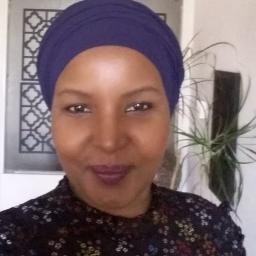
Roda Ali
BACP· Accepting clientsUnited Kingdom · 11 yrs exp
Stress, Anxiety · Relationship · Trauma and abuse · Self esteem · +11 more
Read profileThe therapy listings are provided by BetterHelp and we will earn a commission if you use our link - at no cost to you.
Therapy in your native language can help people express emotion and cultural meaning more naturally. Browse Somali-speaking therapists below to view profiles, approaches and availability.
United Kingdom · 11 yrs exp
Stress, Anxiety · Relationship · Trauma and abuse · Self esteem · +11 more
Read profile
United Kingdom · 26 yrs exp
Stress, Anxiety · Relationship · Trauma and abuse · Grief · +1 more
Read profile
United Kingdom · 5 yrs exp
Stress, Anxiety · Relationship · Trauma and abuse · Depression · +7 more
Read profile
United Kingdom · 3 yrs exp
Stress, Anxiety · Family · Intimacy-related issues · Parenting · +1 more
Read profile
United Kingdom · 4 yrs exp
Stress, Anxiety · Relationship · Parenting · Depression · +1 more
Read profileWhen you talk about feelings, relationships and life events in Somali, the words and rhythms of the language can carry nuance that is difficult to translate. You may find that certain proverbs, cultural concepts or family roles have meanings that are lost when you switch languages. A therapist who speaks Somali can understand these nuances and reflect them back to you, helping you to feel understood on a deeper level. That understanding can make it easier to explore difficult emotions and to build a trusting working relationship.
Therapy in Somali can also make it easier to access cultural frames of reference that shape how you interpret experiences. Things like community responsibilities, faith practices and expectations around family honour often influence how people make decisions and cope. A Somali-speaking counsellor will be more familiar with those contexts and can offer interventions that are culturally sensitive rather than forcing you to translate your world into another cultural lens. That alignment helps therapy feel relevant and grounded.
Language barriers do more than create awkward pauses - they can change the meaning of what you say and how your therapist responds. Subtle shifts in tense, metaphor or emotional tone can lead to misunderstandings. If you explain a family situation in a second language, you might omit details that feel obvious to someone from the same background. That omission can slow progress because the therapist may be missing important context.
Clients sometimes feel frustrated when they cannot name an emotion precisely or when metaphors that feel familiar in Somali do not resonate with a therapist who does not share that cultural frame. Over time, this can reduce your willingness to bring up sensitive topics, leaving important issues unexplored. Choosing a Somali-speaking practitioner helps reduce the need for constant translation, so your ideas, concerns and emotions are heard in their full complexity.
Online therapy allows you to meet with a Somali-speaking counsellor from anywhere in the UK, using video or telephone sessions. Sessions are typically scheduled for a set duration and carried out in a calm, one-to-one setting where you can speak without interruption. Before your first appointment, you will usually receive information about fees, cancellation policies and the therapist's qualifications, so you know what to expect financially and professionally.
During an initial online session you can expect the therapist to ask about your reasons for seeking help, your personal and family background, and any goals you want to work towards. The therapist should explain their approach and how they work, whether that is talking therapy, short-term goal-focused work, or a longer-term process. You will be able to explore whether you feel comfortable speaking in Somali with that practitioner and whether their style feels like a good match.
Online sessions can be especially convenient if local options are limited. You can choose a practitioner with specific training or lived experience that matters to you, and you can continue sessions even if you move or travel within the UK. If you prefer face-to-face meetings, many Somali-speaking counsellors also offer in-person appointments in community settings or clinics.
You may worry about how family or community will react if you seek therapy. In some Somali communities, there can be strong expectations to manage difficulties within the family or through faith and social networks. That can make admitting you need help feel risky. Choosing a practitioner who understands these cultural pressures can make it easier to navigate conversations about confidentiality, involvement of family members and how therapy fits with your values.
Other concerns include finding a clinician who is both linguistically fluent and familiar with Somali traditions. You might prefer someone who understands Islam and how faith can influence coping, or a therapist who has experience with migration, bereavement or intergenerational conflict. It is reasonable to ask about a therapist's background, registration and experience during an initial enquiry to assess whether they can respond to your needs in a culturally informed way.
Online therapy widens the pool of Somali-speaking practitioners available to you. If local services are limited, video appointments let you connect with counsellors across the UK who speak Somali and who may have specific training relevant to your situation. This flexibility can reduce waiting times and make it easier to find someone whose approach, availability and fees suit your life. Online work can also be scheduled around family, work and religious commitments, making it easier to maintain consistency.
When choosing a Somali-speaking therapist, consider a few practical factors. Think about whether you prefer a practitioner who shares your gender, faith background or age range, as these characteristics can influence comfort and rapport. Check that the therapist is registered with an appropriate professional body or holds relevant accreditations and ask about their experience with issues similar to yours. You might ask for an initial conversation to get a sense of tone and approach before committing to a number of sessions.
Trust your instincts about how the first meeting feels. It is normal for the relationship to take a few sessions to settle, but you should generally feel respected and heard. If the fit does not feel right, it is acceptable to discuss this with the therapist or to look for someone else. Finding the right Somali-speaking counsellor can make a significant difference to how you process experiences and build coping strategies that align with your cultural values.
Start by reading practitioner profiles to learn about training, therapeutic approaches and availability. When you contact a counsellor, you can ask about their registration, typical session length and whether they offer online or in-person appointments. It can be helpful to prepare a few points about what you want to address so the therapist can offer clear guidance about how they might work with you.
Remember that seeking help is a positive first step. Whether you are looking to talk about family matters, migration history, grief, anxiety or everyday stresses, speaking in Somali with a counsellor who understands your cultural background can make it easier to feel understood and to take practical steps forward. If you are unsure where to begin, an initial session will usually give you a clearer sense of whether the therapist is the right match for your needs.
Below the listing you will find Somali-speaking therapists who offer a range of approaches and session formats. Use the profile details to compare practitioners and book an appointment that works for you. Taking that first step can open up new ways of understanding your experience and moving towards the changes you want to make.