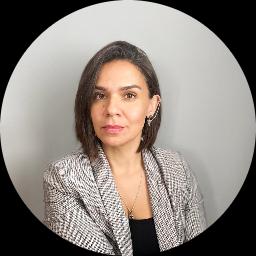
Shushanik Gasparyan
BACP· Accepting clientsUnited Kingdom · 8 yrs exp
Stress, Anxiety · Trauma and abuse · Self esteem · Depression · +12 more
Read profileThe therapy listings are provided by BetterHelp and we will earn a commission if you use our link - at no cost to you.
Therapy in your native language can make a real difference to how you express thoughts and emotions, and how you feel understood. Browse Armenian-speaking therapists below to find a clinician who matches your needs and arrange an initial appointment.
United Kingdom · 8 yrs exp
Stress, Anxiety · Trauma and abuse · Self esteem · Depression · +12 more
Read profile
United Kingdom · 20 yrs exp
Stress, Anxiety · LGBT · Trauma and abuse · Self esteem · +6 more
Read profileWhen you work with a therapist who speaks Armenian, the conversation can flow more naturally and the subtleties of tone, idiom and cultural references are easier to capture. You will often find it simpler to describe early memories, family dynamics and culturally shaped feelings when you do not have to translate them first. That immediacy can help you build rapport with a practitioner more quickly and can reduce the emotional distance that sometimes appears when you speak through a second language. In practical terms, being able to use familiar words and expressions can change how you process painful experiences and open up new routes for reflection.
Therapy is not only about problem solving - it is about feeling heard. Hearing your experiences reflected back in Armenian can reinforce that understanding and make therapeutic work feel more personal and relevant. For many people from Armenian-speaking backgrounds, cultural context matters as much as language. A therapist who understands cultural expectations around family, grief, role obligations and community norms can help you explore issues in ways that respect those values while still supporting your growth.
If you and your therapist do not share a strong language, important emotional nuance can be lost. You may choose simpler words to avoid misunderstandings, which can make sessions feel superficial even when you are trying to be open. Emotional terms, idioms and humour often do not translate neatly, which can lead to misinterpretation of feelings or intentions. Miscommunication can slow progress because you and your therapist may spend time clarifying meaning rather than exploring the underlying experiences.
Language barriers can also affect the therapeutic alliance - the sense of trust and cooperation between you and the therapist. When you cannot express yourself fully, you might feel frustrated or misunderstood, which can reduce your willingness to engage in difficult work. Choosing a clinician who speaks Armenian reduces that friction and helps you focus on the substance of therapy. If you are considering therapy in a second language, it is helpful to discuss language preferences openly in the first session so you can establish shared expectations for communication and pacing.
Online therapy offers many of the same approaches you would find in face-to-face counselling - warm engagement, reflective listening and tools to help you manage thinking and feeling patterns. When working online with an Armenian-speaking therapist, you can expect to use video or telephone sessions to create a one-to-one setting for conversation. Sessions commonly begin with an assessment of your immediate concerns, background and what you hope to change. From there you and the therapist will agree a way of working that suits your goals, whether that is short-term problem-solving, longer-term psychodynamic work, cognitive-behavioural techniques or relational approaches.
Practical arrangements are usually straightforward. You will agree a time that fits your schedule, a regular session length and the mode of contact. You will also discuss fees and any policies around cancellations and rescheduling. Many clients appreciate the flexibility of online appointments, which can make it easier to attend when balancing work, family and travel. If you prefer an in-person meeting, ask about the therapist's local practice options; many professionals offer both online and centre-based sessions in the UK.
People from Armenian-speaking backgrounds may face specific barriers to seeking help. Cultural attitudes can place strong emphasis on resilience, family privacy and endurance, which sometimes makes it difficult to admit vulnerability. You might worry about how therapy will be perceived by relatives or fear that sharing family matters outside the household will feel disloyal. These are valid concerns and are often an important topic to explore with a therapist who understands cultural context and can help you weigh the pros and cons of seeking support.
Another challenge is finding clinicians who both speak Armenian and have the right therapeutic orientation. You may prefer someone who is registered with a recognised UK body and who has experience with the issues you bring, whether that is migration stress, bereavement, parenting, relationships or anxiety. It can feel daunting to search for the right fit, but being clear about the qualities that matter to you - language, cultural understanding, therapeutic approach and practical availability - will narrow the field and make it easier to compare options.
Online therapy widens the pool of therapists you can consider because you are no longer limited by geography. If local Armenian-speaking clinicians are scarce in your area, internet-based sessions let you connect with practitioners across the UK who understand your language and culture. This broader access increases the likelihood of finding a good match in terms of therapeutic style, experience and personal rapport.
Flexibility is another clear advantage. You can schedule sessions around work, childcare and other commitments, and you may feel more comfortable talking from your own familiar surroundings. Many people find that the convenience of online appointments reduces friction about attendance and helps maintain continuity between sessions. For clients who have mobility issues or live in more remote areas, online therapy can be particularly useful in maintaining regular contact with a therapist who meets their linguistic and cultural needs.
Start by reflecting on what you want from therapy - short-term support, help with a specific problem, or deeper personal work. Look for therapists who mention Armenian language skills and who describe approaches that resonate with you. Check whether they are registered or accredited with a recognised UK professional body and whether they list professional qualifications. When you contact a therapist for an initial conversation, ask about their experience with issues like migration, family relationships or grief if those are relevant to you.
Pay attention to how you feel in the first contact. A helpful clinician will listen to your concerns, explain their way of working clearly and answer practical questions about fees and appointment times. It is acceptable to try a few sessions and then change if it does not feel like the right fit - the relationship itself is a key part of therapy. Trust your instincts about whether you feel understood when you speak Armenian and whether the therapist respects your cultural background. With time and a thoughtful approach, you can find a therapist who supports you in language that feels natural and meaningful.