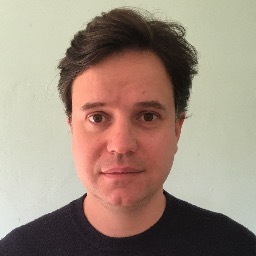
Gorazd Valjavec
BACPUnited Kingdom · 6 yrs exp
Stress, Anxiety · Relationship · Family · Intimacy-related issues · +12 more
Read profileThe therapy listings are provided by BetterHelp and we will earn a commission if you use our link - at no cost to you.
Accessing therapy in your native language can help you express yourself more fully and feel better understood. Browse the Slovenian-speaking therapists listed below to find a counsellor who meets your needs.
Speaking to a therapist in Slovenian can make a significant difference to how you experience therapy. When you use your first language you are more likely to access deep and nuanced feelings, memories and cultural references that shape who you are. You may find it easier to describe the precise tone of an emotion, a childhood memory or a family dynamic when you are not translating in your head. That directness can speed up understanding between you and your counsellor and make sessions feel more natural and reassuring.
Therapy is about forming a relationship in which you can explore difficult thoughts and feelings. Language is one of the foundations of that relationship. When you and your counsellor share a language you reduce the distance created by translation and interpretation. This can be especially important when discussing topics that are emotionally charged or culturally specific, such as family expectations, migration experiences or grief that is tied to particular traditions.
When you try to use a second language in therapy it is common to lose shades of meaning, humour and metaphor that would otherwise feel obvious. That loss can make you feel misunderstood or frustrated, and may lead to shorter, more surface-level conversations. You might avoid bringing up certain memories or emotions because the words do not come naturally, or because you worry about being judged for grammar or accent. Over time those small avoidances can shape the direction of therapy and limit progress.
Language barriers can also affect practical aspects of therapy. You may spend more time explaining background details or translating cultural references, which reduces time for emotional exploration. A counsellor who does not understand the cultural context of Slovenian family structures, social expectations or community norms may unintentionally miss important meaning. Choosing a therapist who speaks Slovenian helps you preserve richness in conversation and increases the likelihood that your concerns are recognised and addressed in ways that resonate with your lived experience.
Online therapy with a Slovenian-speaking counsellor typically uses video or telephone sessions, and may include messaging or email between appointments depending on the therapist's practice. You can expect a professional assessment to begin, where the counsellor asks about your reasons for seeking support, your personal history and what you hope to achieve. This is a chance for you to ask about their experience working with Slovenian-speaking clients and the therapeutic approaches they use. A clear mutual understanding of goals and boundaries helps create a dependable framework for your work together.
Many people find that online therapy allows them to access counsellors who might not be available locally. You can meet with a practitioner who understands Slovenian language and culture even if they are based elsewhere in the UK. Sessions generally follow a regular schedule and use the same conversational rhythms as in-person work, though you should expect some practical differences. You will want to choose a quiet and comfortable environment for sessions and check that your device and internet connection support smooth conversation. Therapists will explain confidentiality practices and session logistics at the start so you know what to expect.
Many Slovenian speakers worry about cultural stigma around mental health. In some families and communities, seeking help for emotional difficulties can feel like a sign of weakness or be surrounded by shame. You might fear being judged by relatives or worry that the idea of therapy will not be understood within your community. These concerns are valid and often shape how and when people choose to seek support. A counsellor who speaks your language can help you navigate these cultural layers, offering approaches that respect your values while supporting change where you want it.
Another common issue is knowing how to find a counsellor who is both clinically qualified and culturally aware. You may want a therapist who is registered with a recognised UK professional body, who has experience working with migrants or bilingual clients, and who understands the social context of Slovenian life. It is reasonable to ask about a counsellor's training, their approach to cultural issues, and whether they offer flexible appointment times to accommodate work or family commitments. Feeling comfortable asking these questions can help you find a counsellor who meets both your professional and personal needs.
Online therapy widens your options by connecting you with counsellors across the UK who speak Slovenian. This can be especially helpful if you live in an area with few bilingual practitioners or if you have mobility or childcare constraints. The ability to schedule sessions from home, from work during a lunch break or from any quiet location gives you more control over how therapy fits into your life. Many clients find that the convenience of online work makes it easier to maintain consistent appointments, which supports steady progress.
When choosing a Slovenian-speaking counsellor consider their registration with UK professional bodies, their therapeutic approach and their experience working with issues similar to yours. Think about whether you prefer a counsellor who brings cultural knowledge of Slovenia or neighbouring regions, or someone whose training focuses on particular methods such as person-centred therapy, cognitive behavioural approaches or trauma-informed care. You might arrange a short introductory call to get a sense of their style, how they listen and whether you feel at ease speaking in Slovenian with them. Trust your instincts about whether the relationship feels respectful and supportive.
Finally, be practical about session format and logistics. Check whether the counsellor offers video, telephone or messaging; ask about appointment length, fees and cancellation policies; and ensure you have a comfortable space to talk. Starting therapy is a personal step and finding a counsellor who speaks Slovenian can make that step feel more manageable and rewarding. If you are unsure, many practitioners offer a first session to explore compatibility - using that meeting to reflect on whether their approach matches what you need can be a helpful way to begin.
Seeking therapy in Slovenian is about more than language - it is about connecting with someone who can understand your stories in context. Taking time to choose a counsellor who meets your clinical and cultural needs can help you get the most from therapy and support meaningful change in your life.