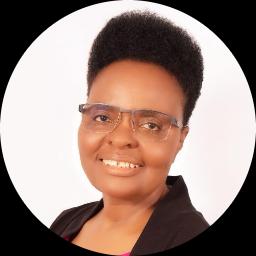
Sithembisile Mapingire
BACP· Accepting clientsUnited Kingdom · 22 yrs exp
Relationship · Family · Grief · Self esteem · +14 more
Read profileThe therapy listings are provided by BetterHelp and we will earn a commission if you use our link - at no cost to you.
Therapy in your native Ndebele (North) can help you express feelings and experiences with greater clarity and cultural understanding. Browse the Ndebele (North)-speaking therapists below to view profiles and find a practitioner who matches your needs.
United Kingdom · 22 yrs exp
Relationship · Family · Grief · Self esteem · +14 more
Read profile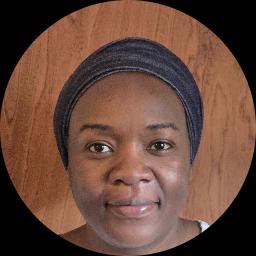
United Kingdom · 3 yrs exp
Stress, Anxiety · Relationship · Trauma and abuse · Self esteem · +1 more
Read profile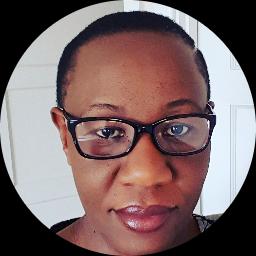
United Kingdom · 4 yrs exp
Stress, Anxiety · Addictions · Relationship · Family · +10 more
Read profileWhen you speak in your first language you naturally access layers of meaning, metaphor and emotional shading that may not come through in a second language. Ndebele (North) carries cultural references, idioms and ways of naming feelings that shape how you understand your own experience. A therapist who speaks Ndebele (North) can recognise those cultural cues, reflect them back to you and use them as tools for understanding rather than treating them as translation gaps. That cultural attunement often makes it easier to build trust and to explore topics that might feel awkward or misunderstood in a different language.
Communication in therapy is not only about words. Tone, rhythm and the way you tell a story are part of how you are heard. Speaking your native language can help you feel more at ease and more fully yourself in sessions. For many people, being able to name complex emotions in Ndebele (North) unlocks memories and insights that might otherwise stay out of reach, enabling deeper work and a more personalised therapeutic journey.
Language barriers can shape the course of therapy in subtle ways. If you and your therapist do not share the same native language, you may find some emotions are minimised or altered in translation. You might use simpler words to describe difficult experiences because the richer vocabulary is not available to you in a second language. That narrowing can make emotional material harder to access and process. Misunderstandings are also more likely when cultural references are different; a phrase that seems neutral in one culture can carry weight in another.
These gaps do not mean therapy cannot help, but they do change what is possible in a given number of sessions. A therapist who speaks Ndebele (North) will be better placed to notice shifts in your language that signal progress or distress. They can ask culturally relevant questions, respond with appropriate warmth or challenge, and offer interpretations that fit your world view. This alignment tends to strengthen the therapeutic alliance - the working relationship that underpins progress - because you are less likely to feel lost in translation.
Online therapy with a Ndebele (North)-speaking therapist often follows a familiar structure: you will arrange an initial consultation to discuss your reasons for seeking support, decide on practical arrangements and set goals together. Sessions typically last around 50 to 60 minutes, and you can choose whether to meet by video or by voice-only call depending on your comfort and connectivity. Because you are working in your native language, you can expect the pace of sessions to feel more natural and for culturally specific topics to be introduced without lengthy explanation.
Before your first session it helps to think about what you want from therapy and any practical constraints you face, such as work hours, caring responsibilities or internet access. You do not need to present a polished story; therapists expect that it may take a few sessions to feel comfortable. If you prefer certain cultural practices or ways of being acknowledged in sessions, raise them early so your therapist can incorporate them into the work. Online therapy also allows you to meet from a familiar environment at home or another setting where you feel at ease, which can make it easier to engage honestly in difficult conversations.
People from Ndebele (North)-speaking communities may face particular concerns when thinking about therapy. Cultural stigma around mental health can make it hard to ask for help, especially if there are expectations about resilience, family honour or traditional ways of coping. You might worry about how talking to a stranger will be perceived by relatives, or whether a therapist will understand the importance of family, community roles and cultural obligations. These worries are legitimate and worth discussing with a prospective therapist, who can explain how they work and what they will keep in mind when supporting you.
Another common issue is simply finding a therapist who speaks Ndebele (North) and is registered or accredited in the UK. Availability can vary by region, and that can be discouraging. When you do find a therapist who speaks your language, you may still want to check their training, therapeutic approach and experience with issues similar to yours. Building trust takes time, and a therapist who respects your cultural background can help you navigate concerns about honour, identity and expectations in ways that feel relevant and dignified.
Online therapy widens the pool of Ndebele (North)-speaking practitioners you can access. You are not limited to therapists in your immediate area, which is particularly helpful if there are few Ndebele (North)-speaking counsellors locally. This wider access increases your chances of finding someone whose approach, specialisms and personality fit you. Online sessions also allow for greater scheduling flexibility, making it possible to arrange appointments around work, family life or other commitments. You may find that meeting from home or another comfortable place reduces logistical stress and helps you focus on the therapeutic work.
When choosing a therapist, look for someone who is registered or accredited with a recognised UK professional body and who has experience or training relevant to your concerns. Read profile summaries and any available notes about therapeutic approach so you can see whether they take a practical, relational or exploratory style. Consider booking an initial consultation to sense how they listen, whether their manner feels respectful and whether they understand cultural elements that matter to you. Pay attention to practicalities too - session times, fees and the technology they use - so you can make a choice that fits your life.
Ultimately, finding the right Ndebele (North)-speaking therapist is a personal process. You may try a few different practitioners before you find a good match, and that is a normal part of the journey. Taking the step to speak in your native language can make therapy more effective and more meaningful, helping you explore issues with clarity and cultural resonance. If you feel ready, start by browsing the profiles below and arrange an initial conversation to see how you feel when you are heard in Ndebele (North).